ICFF — the International Contemporary Furniture Fair — is one of the world's largest design trade events, held annually at the Javits Center in NYC during NYCxDesign week. Its visual identity must serve two audiences: trade professionals (buyers, retailers, architects) who need clear functional information, and design culture media and visitors who engage with the fair as a cultural event.
Working at ICFF across two festival cycles, I was responsible for the full visual identity system: printed festival booklets for thousands of attendees, campaign poster series, social media templates, and motion graphics for digital displays. Each year needed a fresh creative direction while maintaining ICFF's institutional visual equity.
Each cycle began with creative direction: visual concept, color palette, typographic treatment, and graphic language. Presented directions to ICFF editorial leadership. 2018 leaned into architectural geometry — sharp, structural forms. 2019 shifted to organic material texture — celebrating craft and sustainability as the dominant fair conversation.
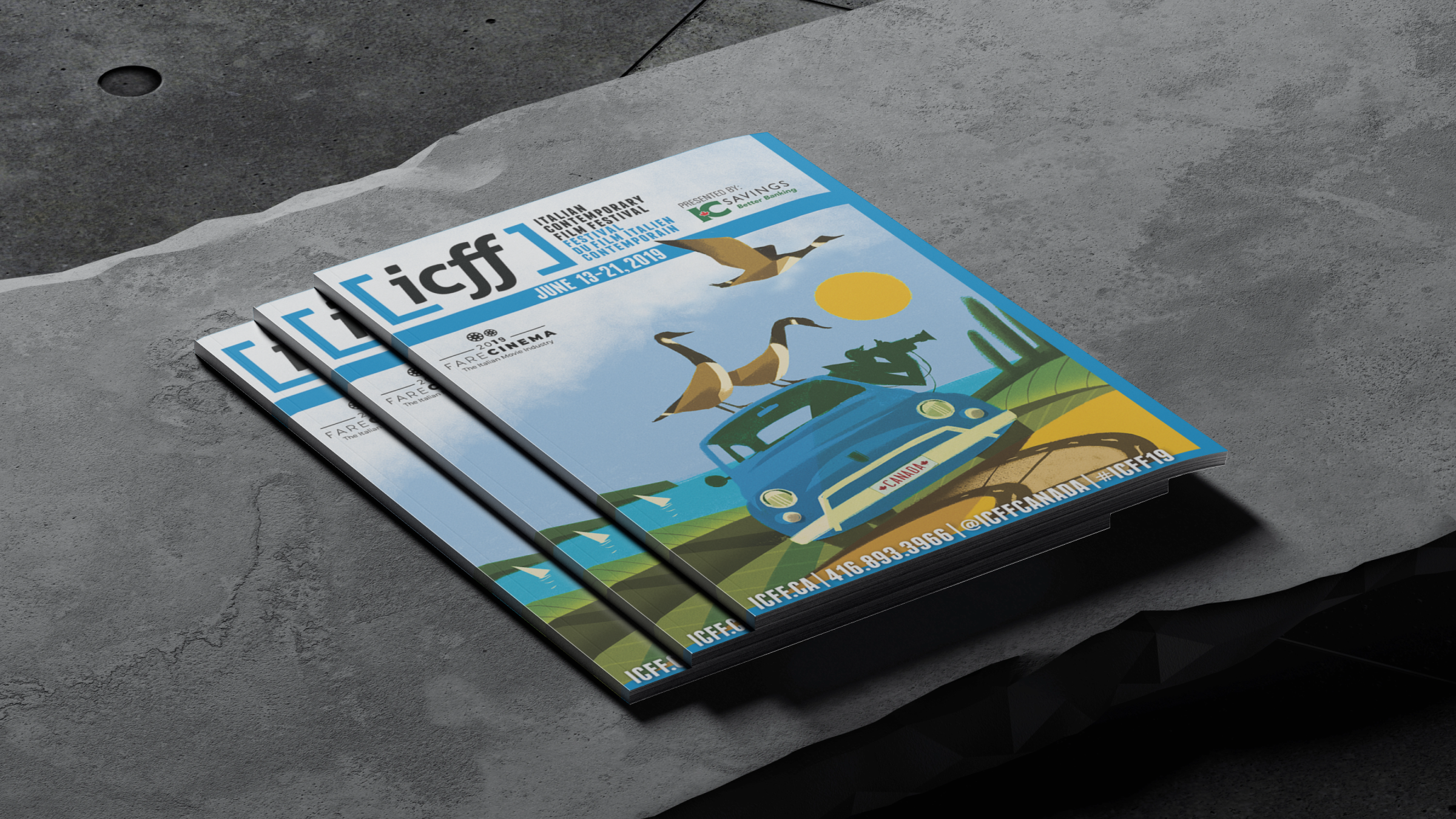
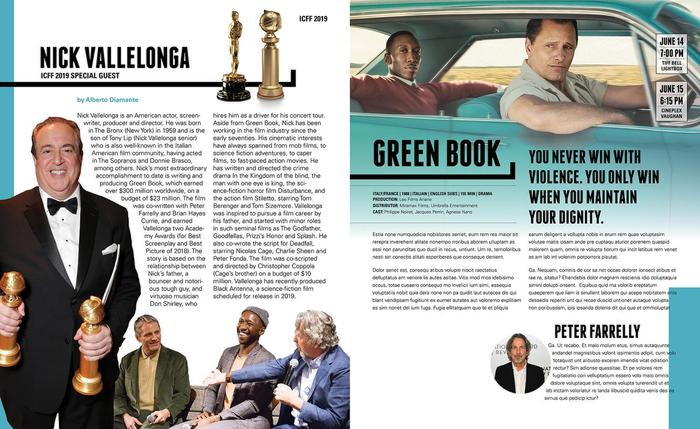
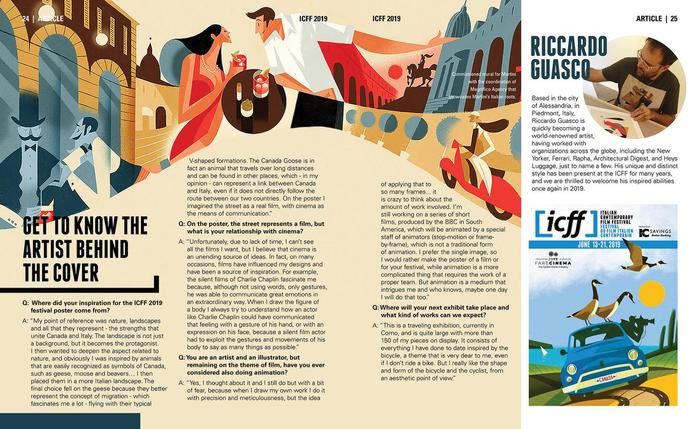
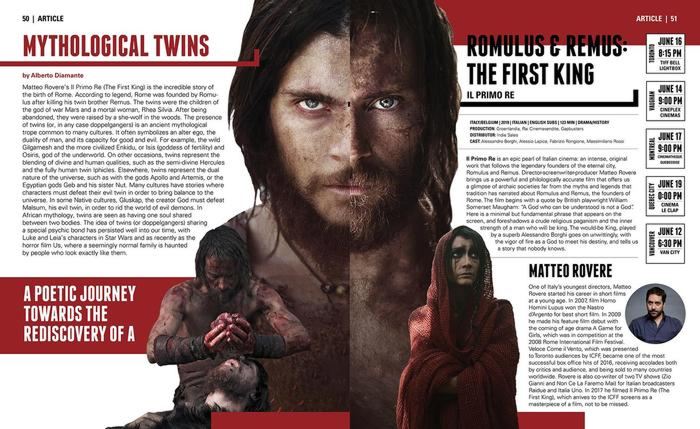
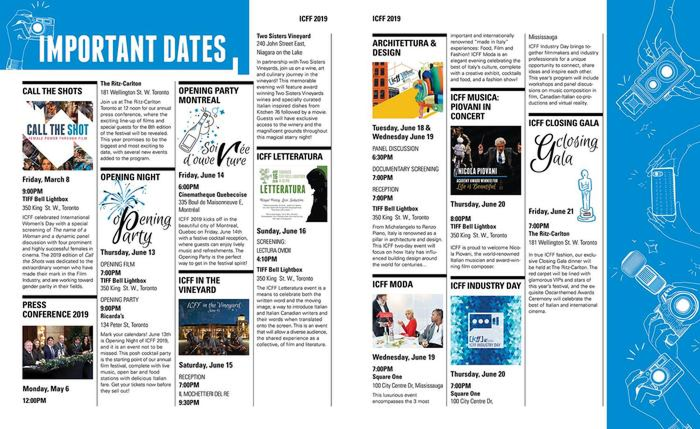
Multi-hundred-page booklet combining floor plans, exhibitor listings, editorial content, advertiser pages, and event schedules. Built the grid and master pages in InDesign, designed section headers and editorial spreads, and developed typographic hierarchy for thousands of exhibitor entries. Tight collaboration to manage late-breaking exhibitor additions up to print deadline.
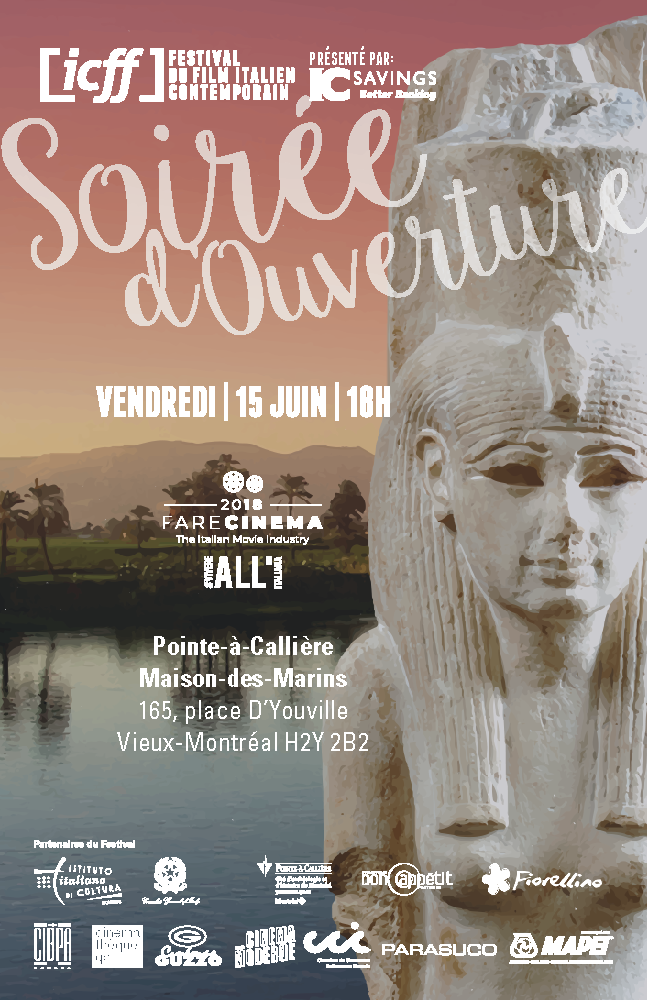
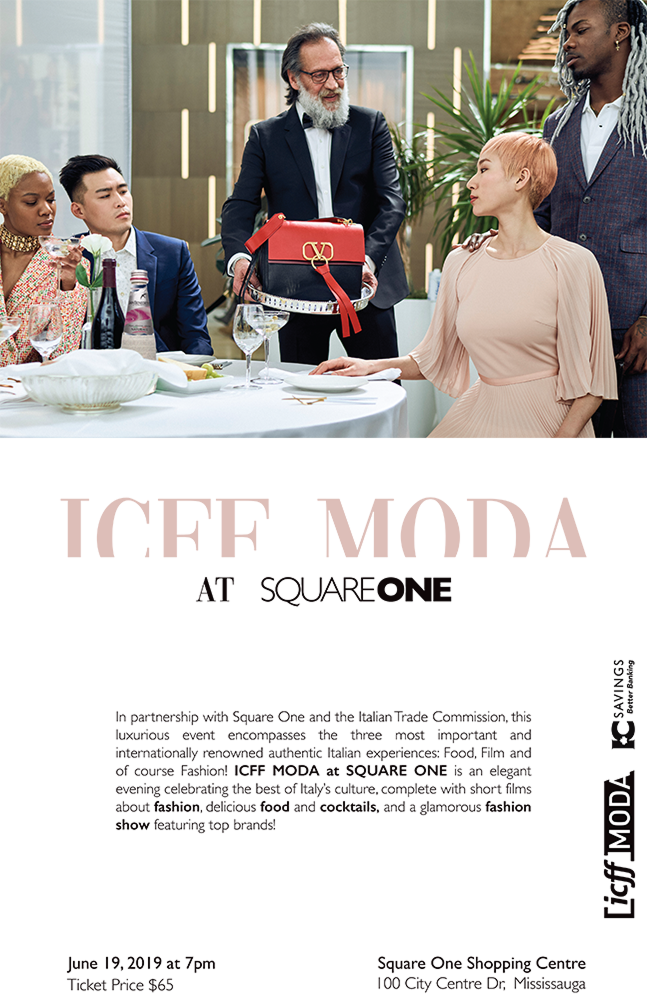
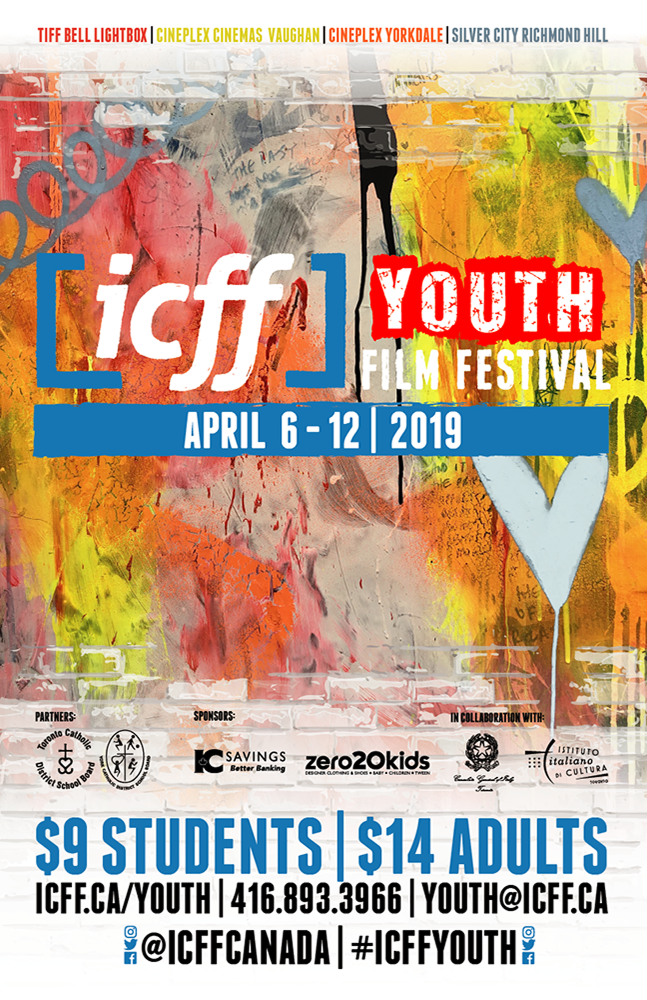
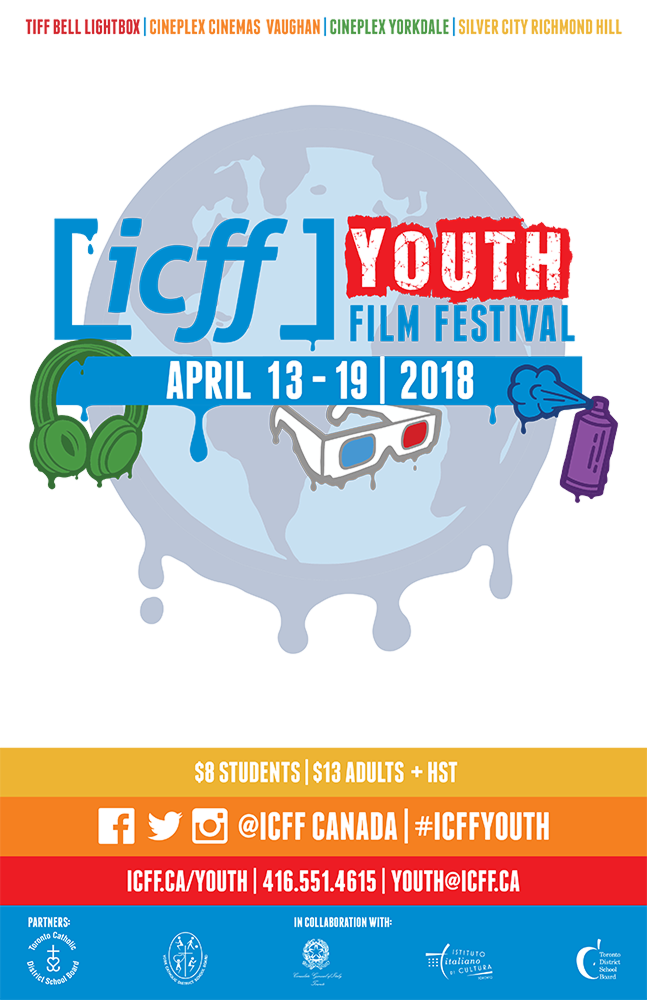
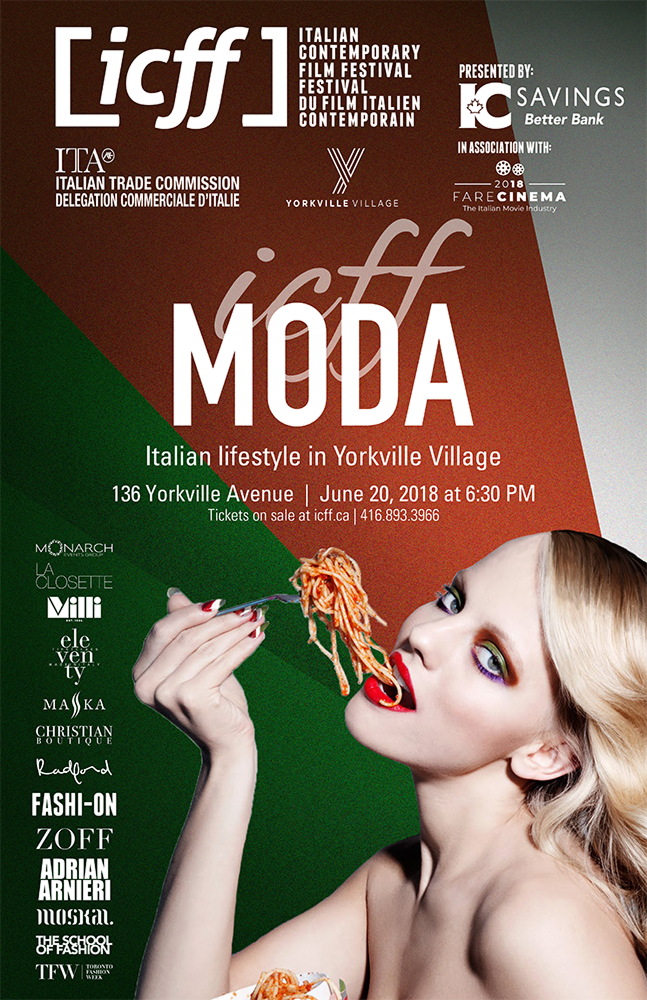
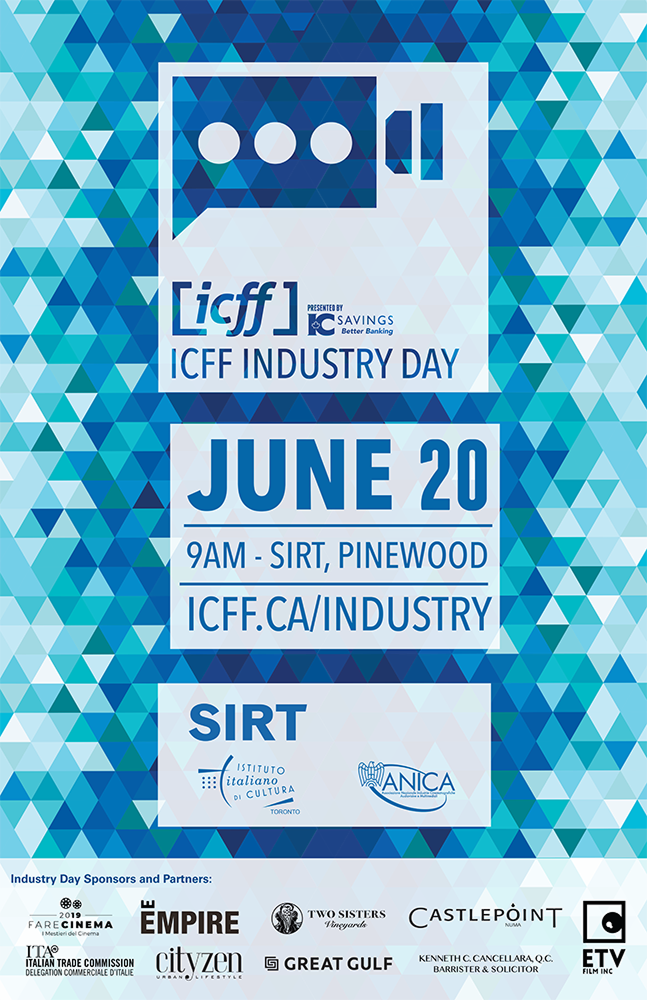
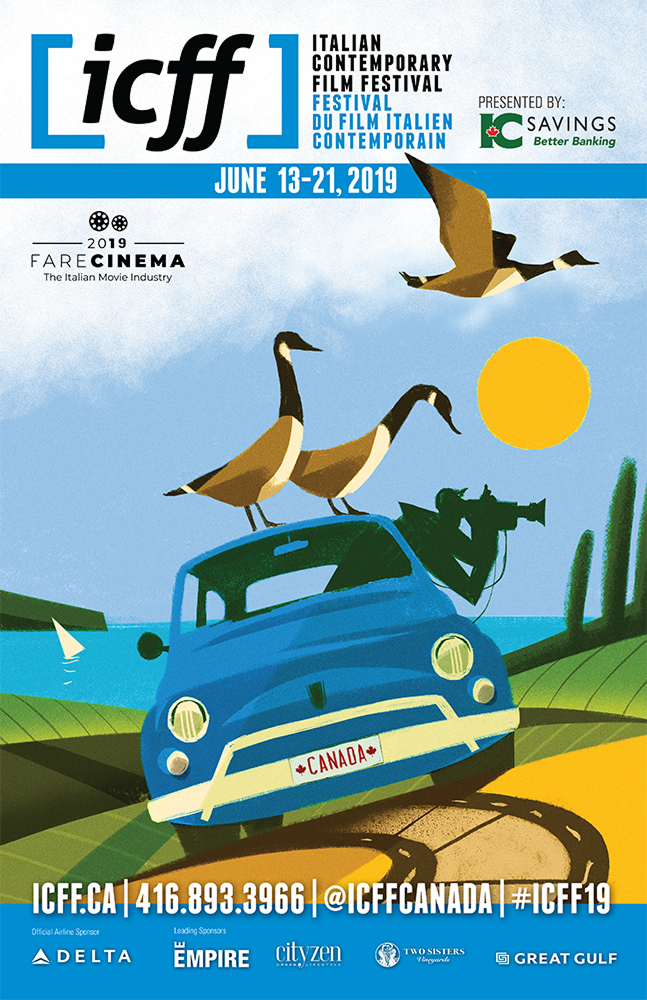
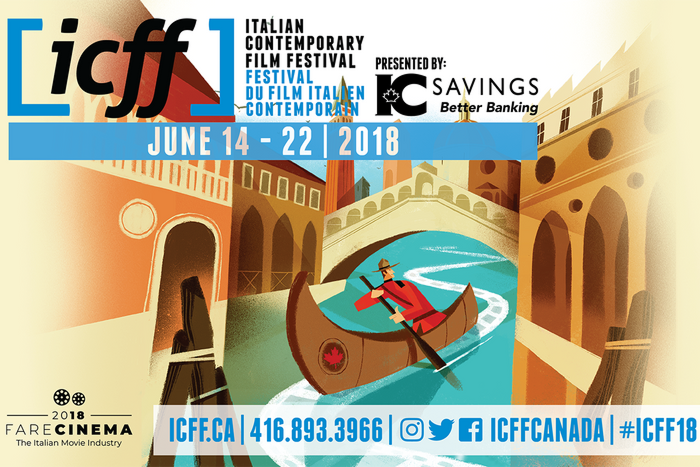
Campaign posters placed throughout NYC and in design publications during NYCxDesign week. Designed a modular poster system with defined composition zone, scalable graphic element, and typographic lockup — reconfigurable for any format without re-design. Social media templates derived from the same visual language, maintaining coherence across print-to-digital without just shrinking to square.
Javits Center digital displays: animated sequences for exhibitor spotlights, event announcements, sponsor recognition. Motion grammar derived from print concept — 2018 geometric = precise structural reveals; 2019 organic = soft fades, material-like transitions, slow reveals. Environmental applications (large-format signage, wayfinding) completed the full system.
Preserved the grid, hierarchy, and typographic scale returning attendees relied on — directed creative energy to the expressive layer (color, texture, graphic concept). Protected usability while delivering fresh visual energy for media and press. Result: positive editorial coverage for distinct identities; attendee navigation clarity maintained year-over-year.
Single hero posters don't scale across magazine ads, transit cards, and 20-foot banners. Designed a modular system with composition zone, scalable element, and typographic lockup — any team member could correctly adapt to new formats without re-designing. Result: consistent visual presence across all placements. System adopted for subsequent years after my tenure.
Motion graphics often disconnect from print identity when designed independently. Derived motion grammar directly from each year's print concept: 2018 geometric = mechanical reveals, grid-aligned transitions; 2019 organic = soft fades, material transitions, slow camera moves. Result: ICFF leadership recognized digital displays as the most visually cohesive media presentation the fair had produced.
ICFF was where I learned that identity design at institutional scale is fundamentally a systems problem. The poster is the visible tip — but the grid, hierarchy, production standards, and adaptation rules are what make an identity work at the scale of a real event with hundreds of vendors and tight deadlines.
Working across two years taught me about the psychology of refreshing versus maintaining: clients and press want freshness; attendees want reliability. The best answer is almost always change the expressive layer, protect the structural layer — a principle I've carried into every identity and design system project since.