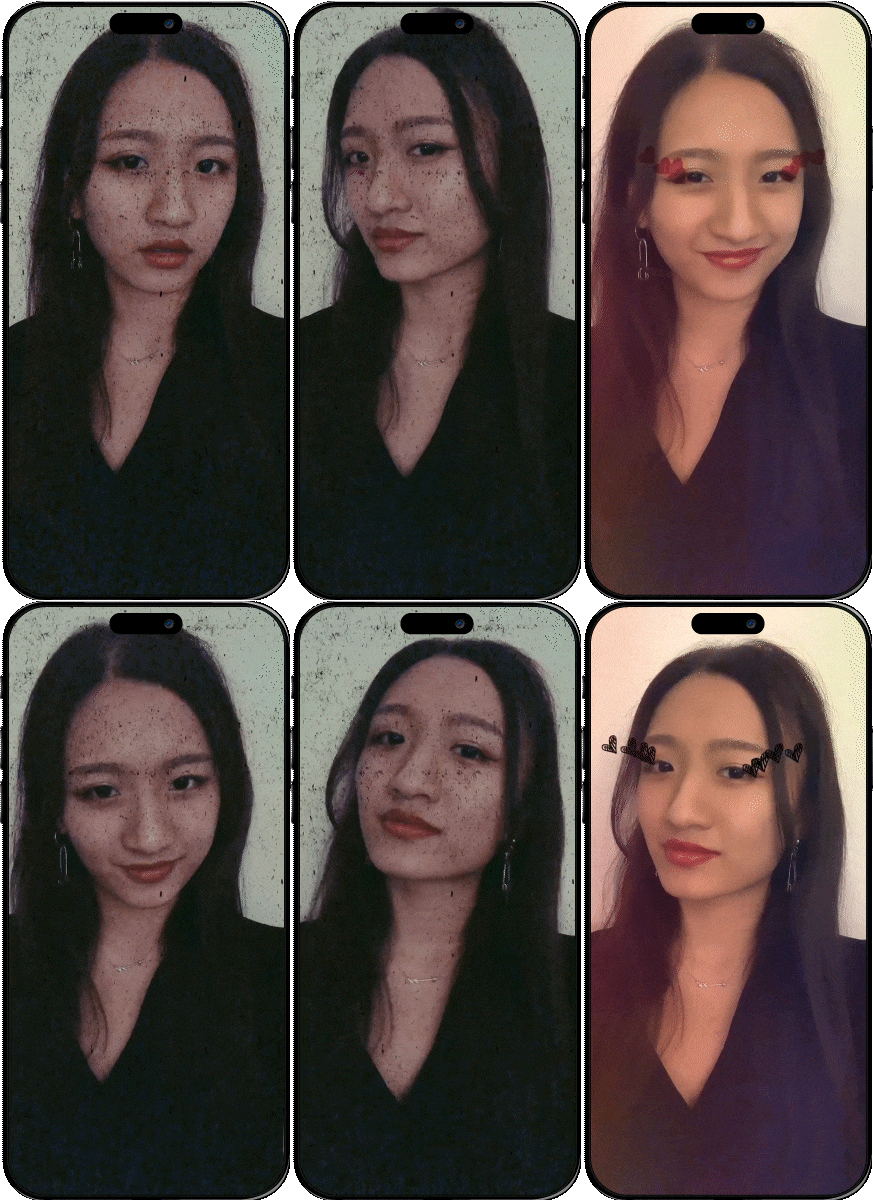
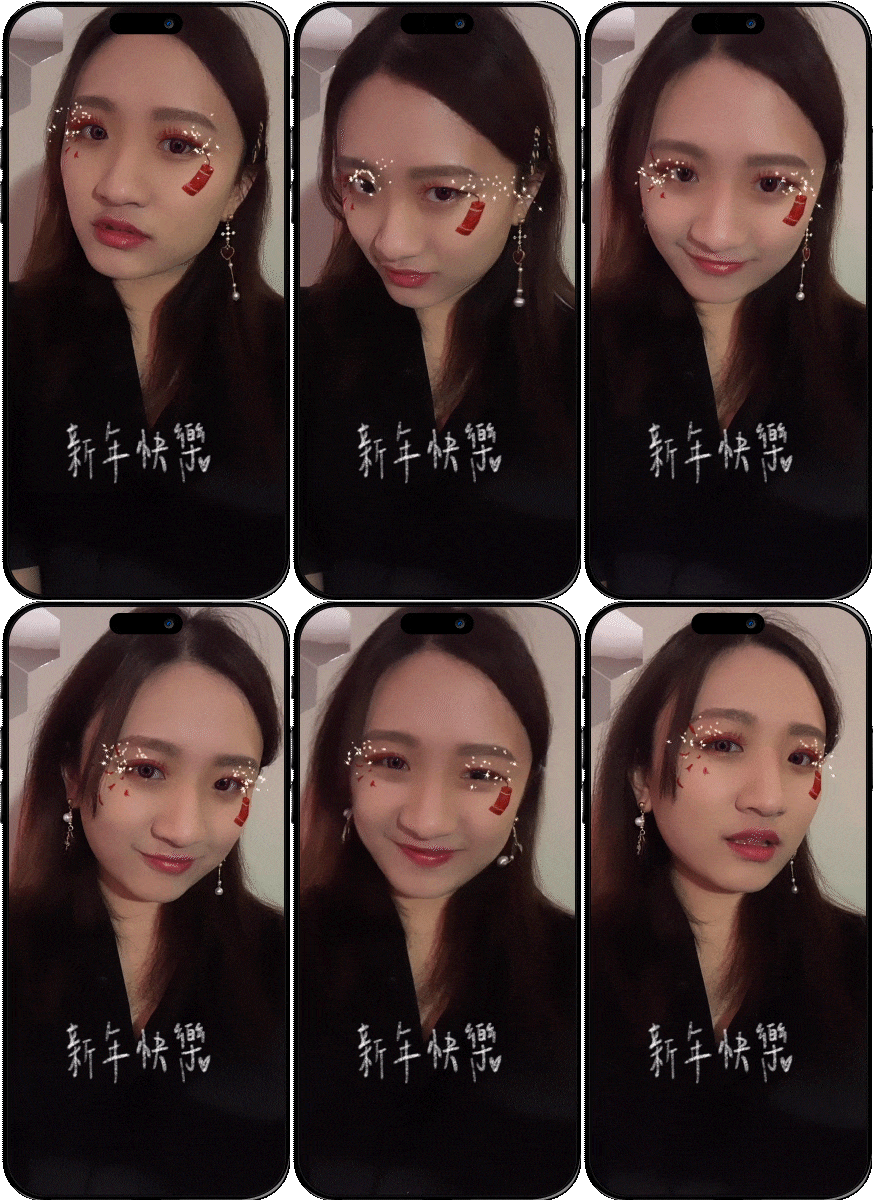
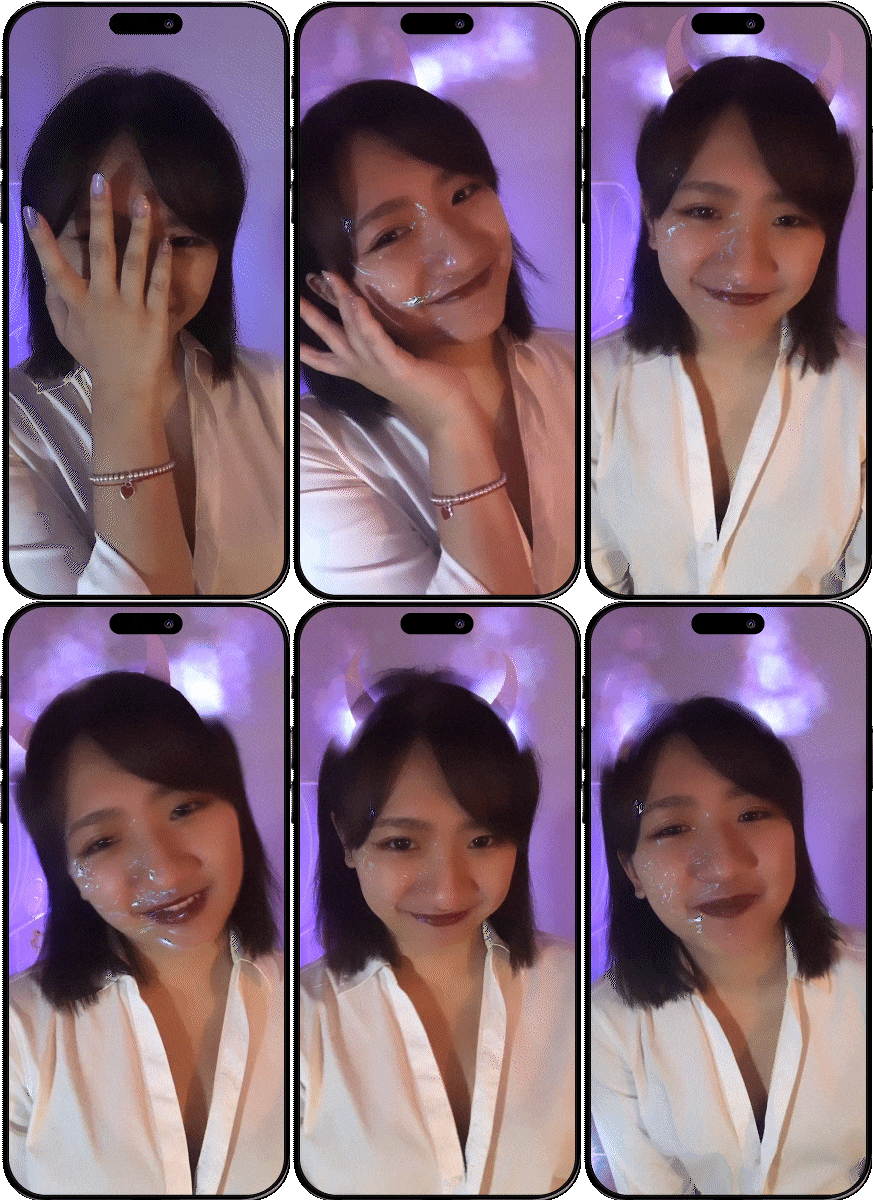
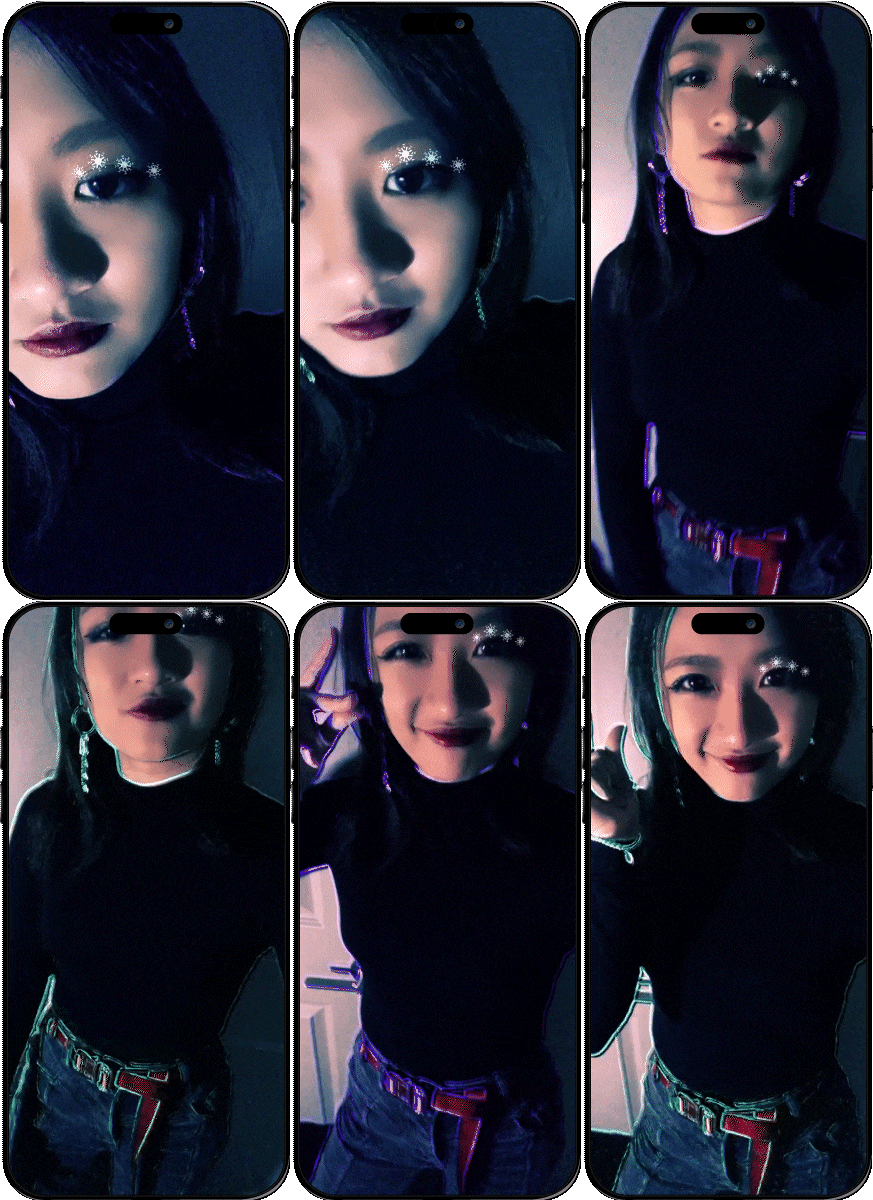
Most beauty filters aspire to a single, static ideal — smoother skin, bigger eyes, slimmer features. But beauty in nature is seasonal: spring blossoms, summer warmth, autumn richness, winter clarity. This project explored whether AR filters could shift from erasing identity to celebrating the feeling of a moment in time.
Instead of "making you look better," these filters aimed to make you feel a season — translating atmospheric beauty onto the human face through light, color, and organic motion.
What if an AR filter didn't change how you look, but changed the atmosphere you inhabit?
What if beauty technology celebrated impermanence rather than perfection?


Each season has a distinct light quality — spring is diffused and pink, summer is saturated and golden, autumn is warm and directional, winter is cool and crystalline. I studied how these qualities interact with skin and features, building a palette not of colors but of atmospheres.
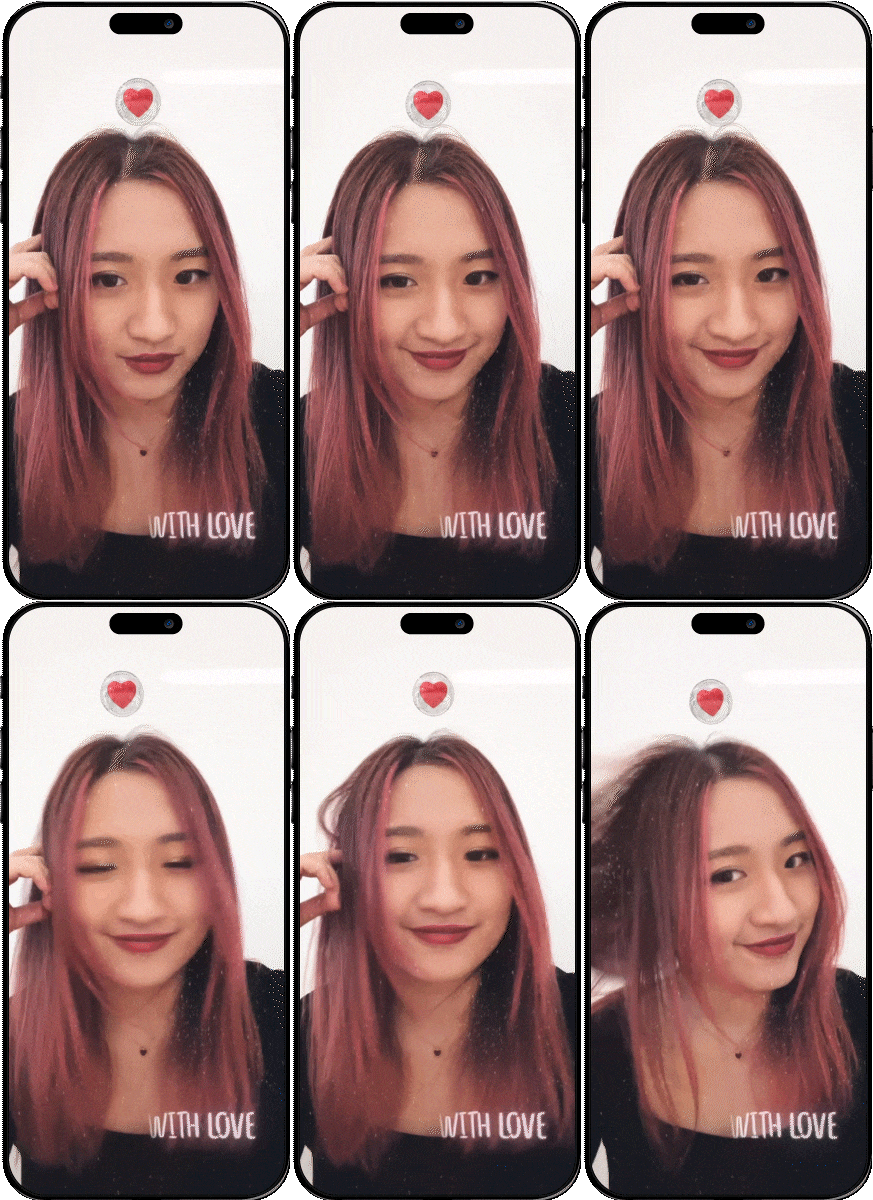
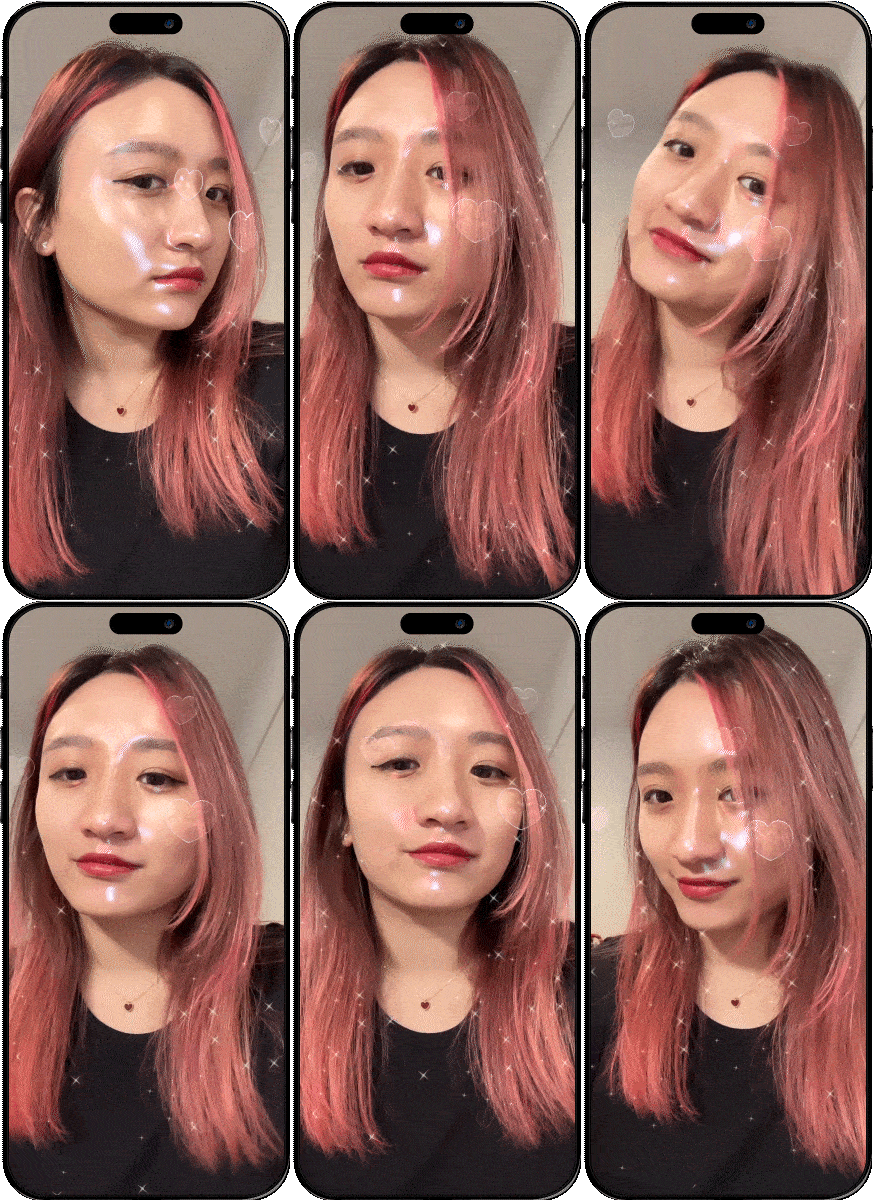
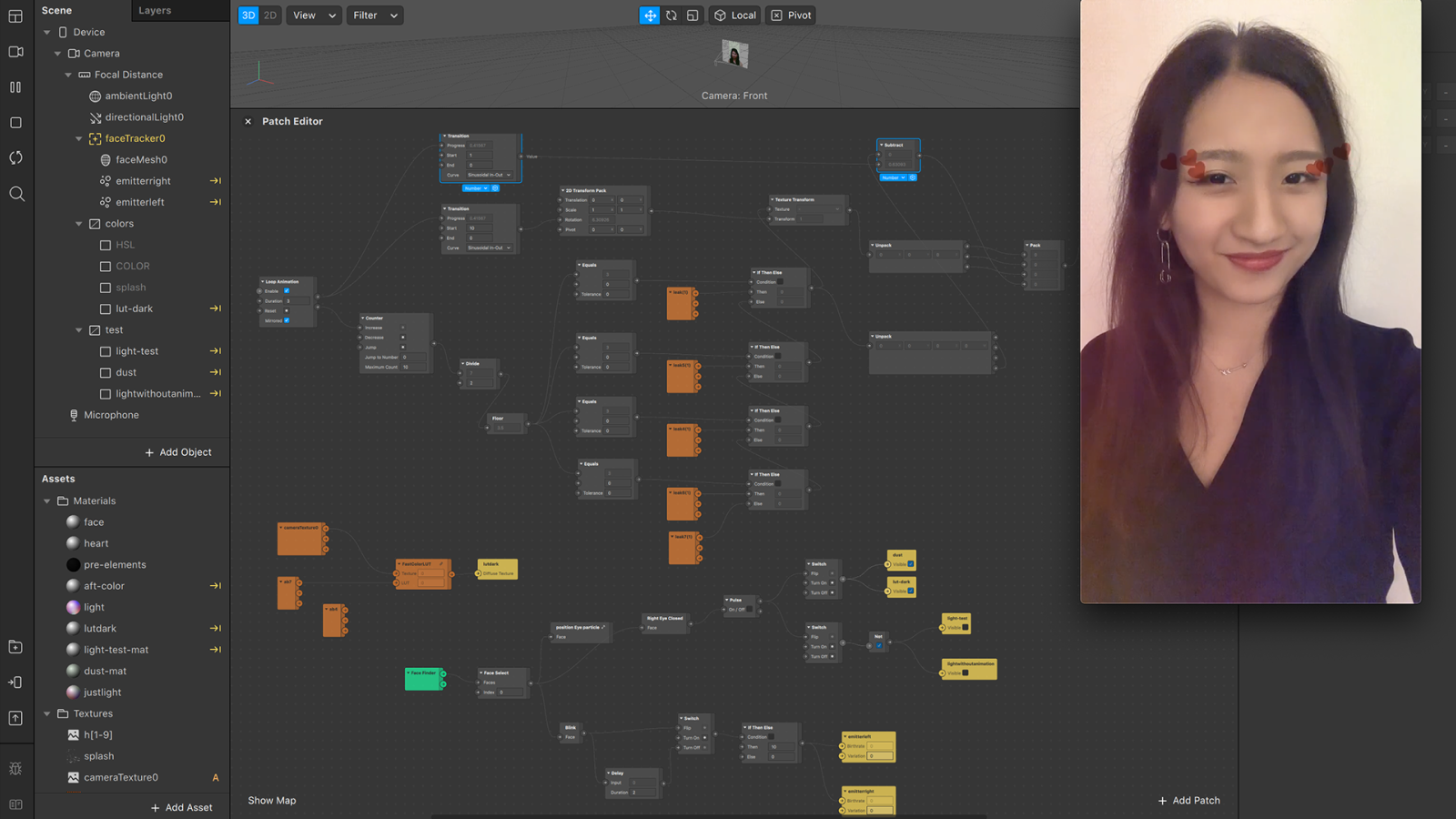
Using Spark AR, I created filters that responded to facial movement with season-specific elements: blossoms that fell with a head tilt in spring, a golden glow that intensified with a smile in summer, leaves that swirled with a turn in autumn, frost that crept along the edges in winter. The effects were designed to feel alive, not static.


AR is the only medium that layers digital beauty onto a real face in real time. Unlike photo editing, which produces a finished image, AR filters exist in the present — they respond to your movement, your expression, your environment. This liveness made them the right medium for seasonal beauty, which is fundamentally about being present in a moment.
Users consistently preferred the atmospheric filters over traditional beauty filters. Adding seasonal light and organic elements felt like "being in a moment" rather than "fixing a flaw" — a fundamentally different emotional relationship with AR.
The responsive elements — blossoms falling, frost creeping — created a sense of delight that static overlays never achieve. When the digital responds to the physical, people smile involuntarily. That smile became part of the beauty.
This experiment showed me that the best AR isn't about replacing reality — it's about enhancing the feeling of being present. This applies to every interface I design: the goal isn't to take users somewhere else, but to make where they already are feel richer.
The most beautiful filter didn't change how anyone looked — it changed how the world felt around them.