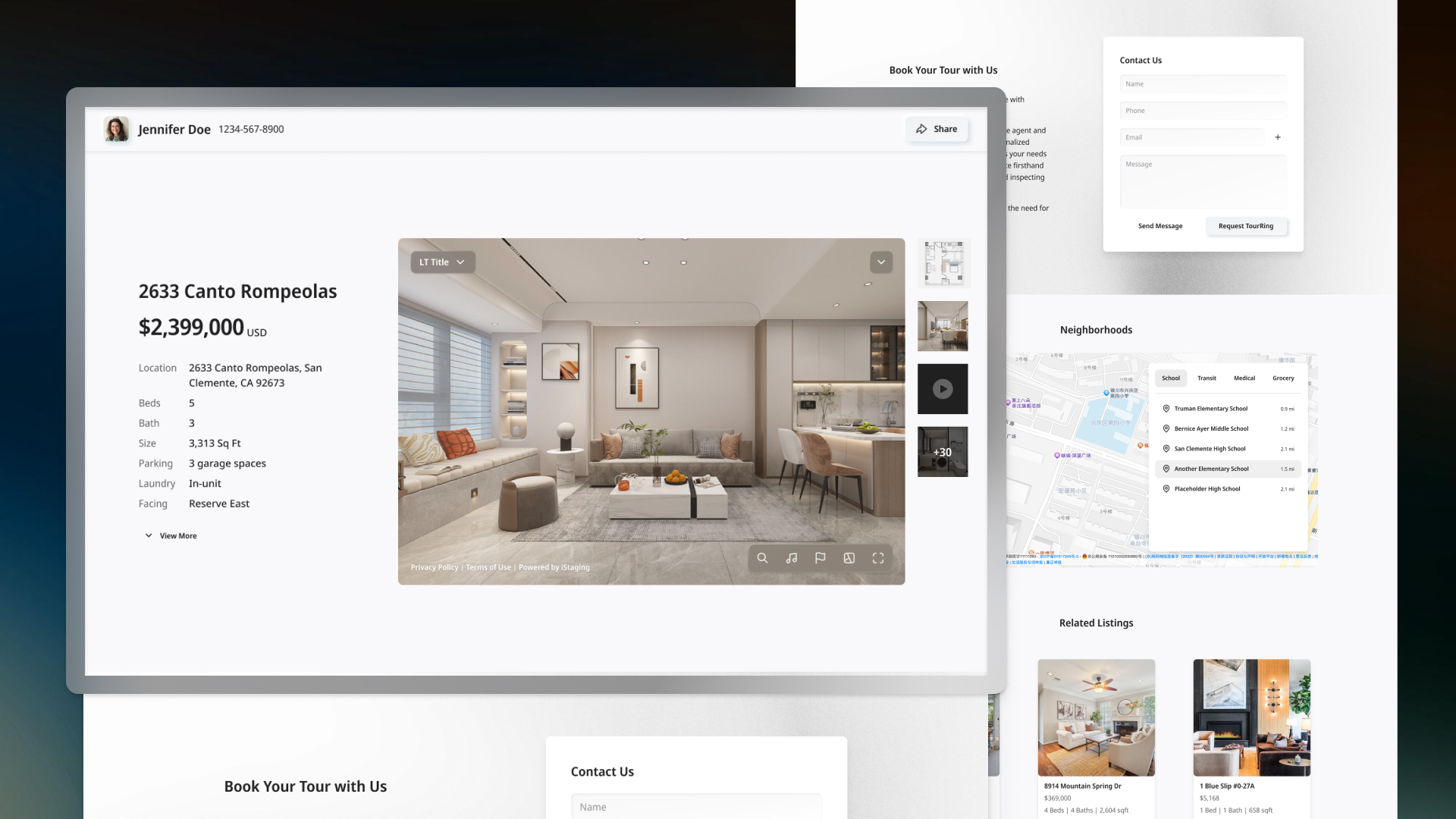
iStaging Campaign Site — One Page, Zero Wasted Words
A conversion-focused one-pager for US and Canadian real-estate agents — bypassing the main site's SEO problems to sell the $5 virtual-tour plan.

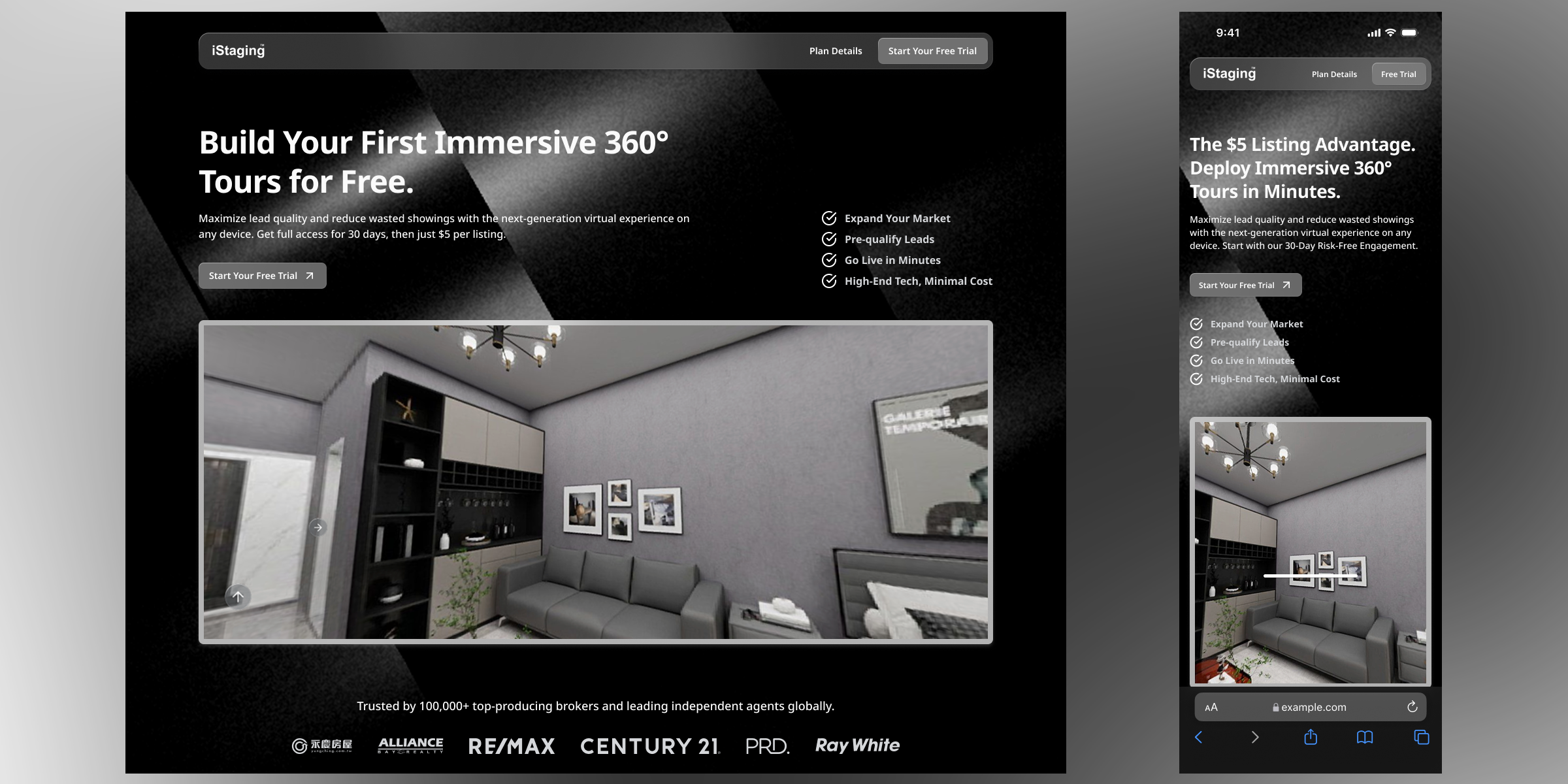
When your own website works against you, build around it.
Business
- Convert paid traffic the main site was wasting
- Launch fast, without cross-team dependencies
User
- Agents are practical and time-poor
- Pricing was buried three clicks deep
Technical
- Main-site SEO limits outside our control
- Mobile-first — social ad traffic lands on phones
The main site's gravity
Fixing it meant months of coordination with the team that owned it.
One scroll to convert
No secondary pages to defer to — the hierarchy is the design.
A $5 promise
Low prices invite doubt — too cheap to work, or hiding the effort.
Two markets
US and Canadian real-estate workflows and expectations differ.
I designed the page content first — the scroll narrative is the design.
Owned
- Content Strategy
- Conversion Design
- UX/UI Design
- Analytics Setup
Collaborated with
- Platform Director
- Technical Manager
- Front-End Developer
One page, zero wasted words.
Build around it, not through it
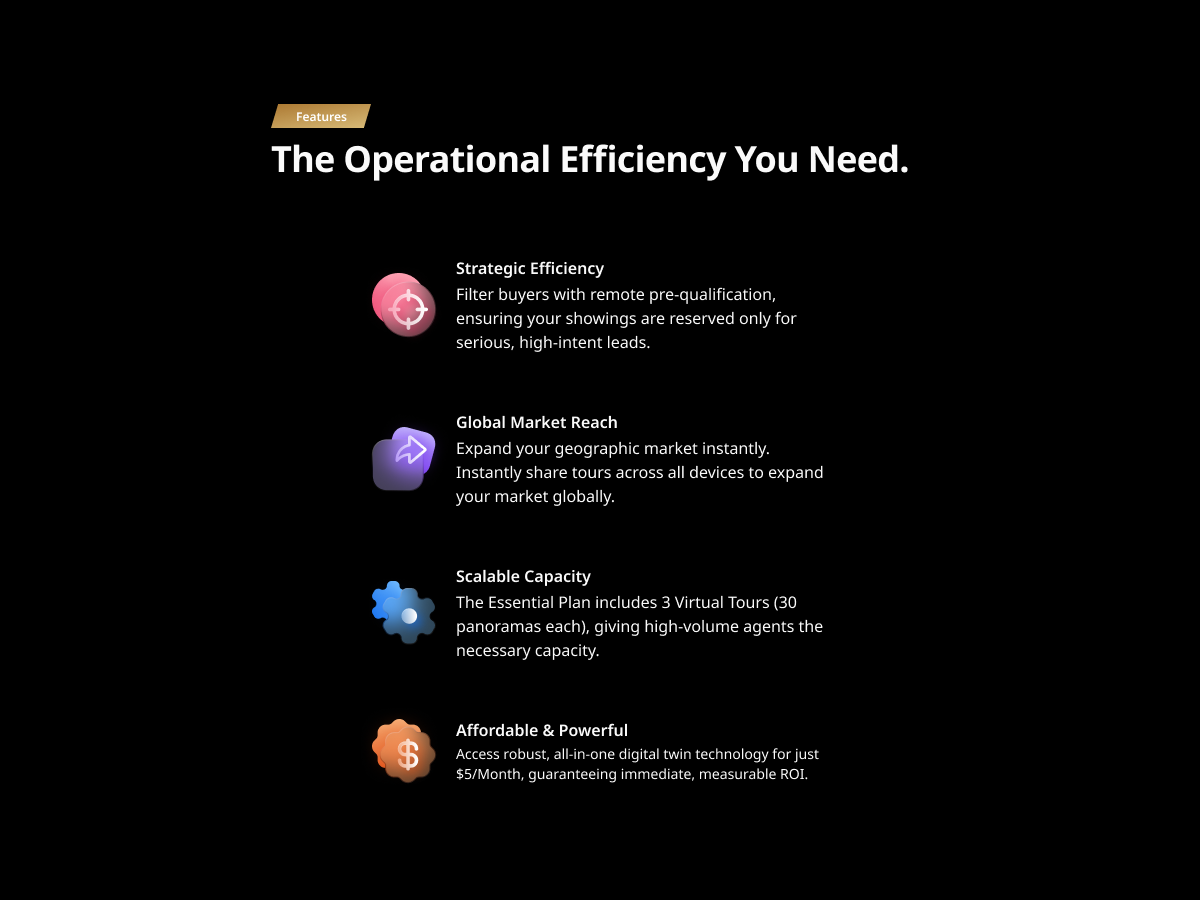
Pricing sat three clicks deep on a main site whose SEO belonged to another team — fixing it meant months on someone else's roadmap.
Ship a standalone one-pager owned end to end by three people, and point the paid spend at that instead.
For paid traffic, full control of a small asset beats partial control of a big one — the coordination cost was higher than the cost of building new.
Live in two months, converting ad traffic above the main site.
Show it, don't name it
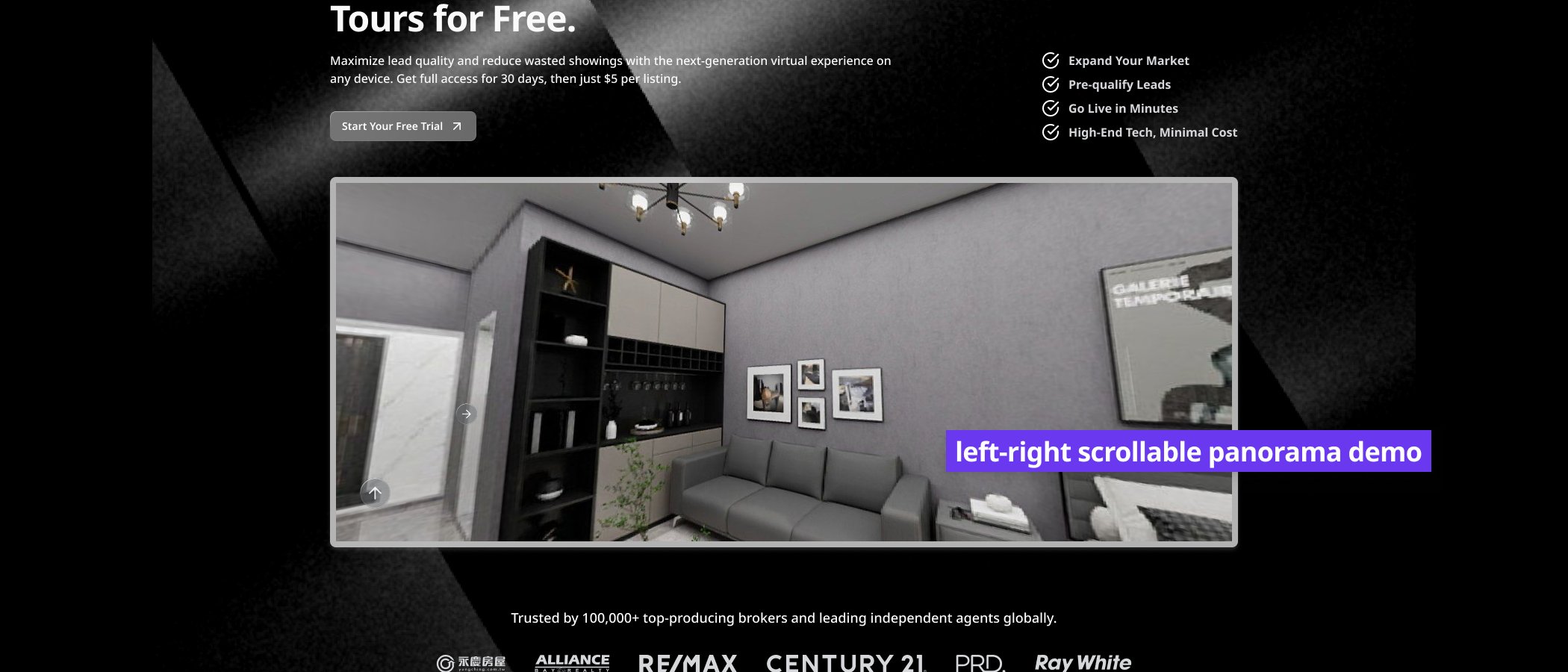
“Panorama viewer” is a category name the buyer doesn't hold — an agent reading it can't picture what $5 gets them.
Embed the live product in the first section — the landing view is a working tour, not a headline about one.
When the barrier is comprehension rather than persuasion, more copy can't fix it; thirty seconds inside the real thing can.
Lower bounce than equivalent main-site pages — the demo explained what the copy couldn't.
Sell the job, not the plan
A $5 plan reads as either too cheap to work or quietly hiding the effort — and both reads end the same way.
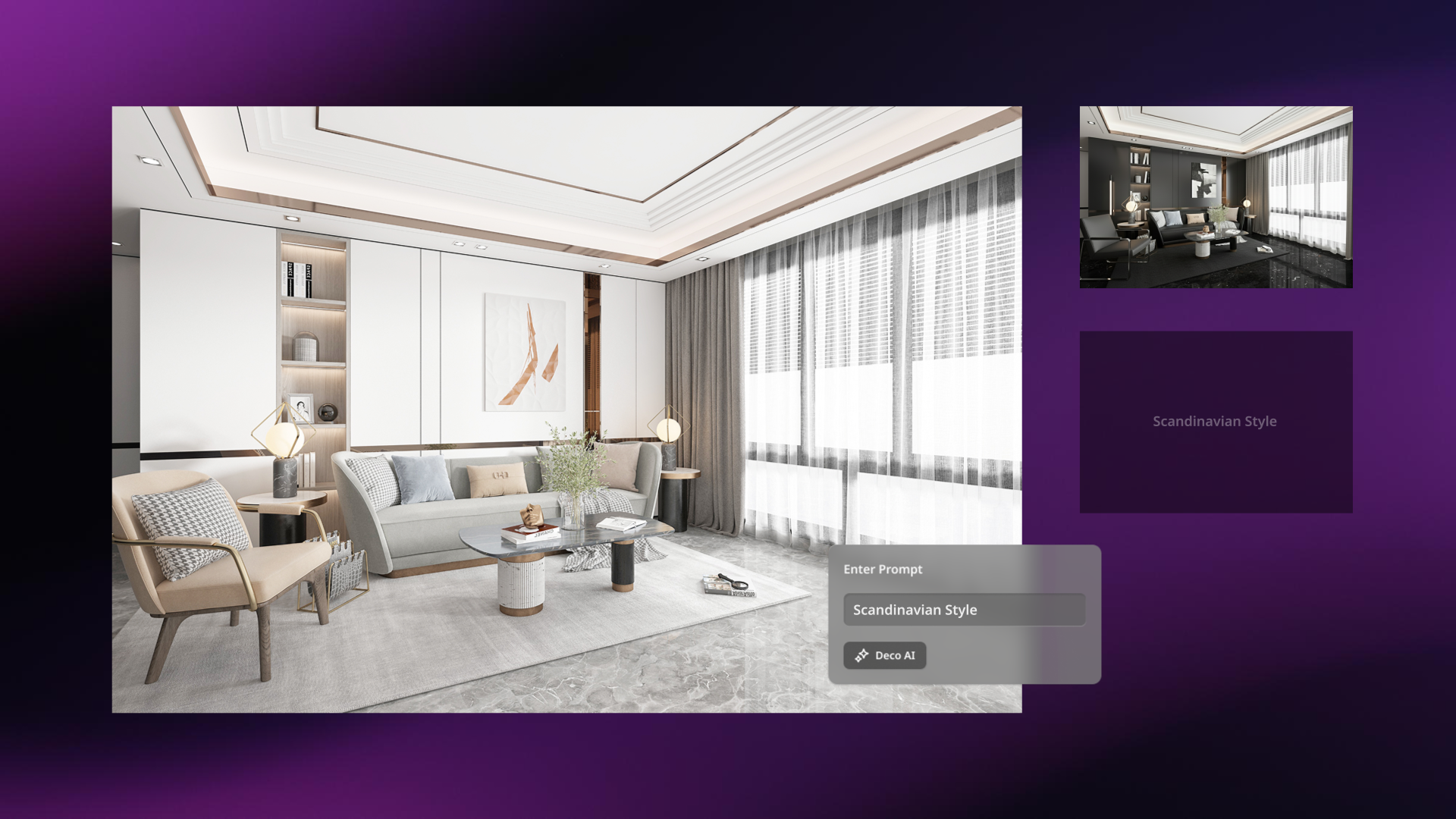
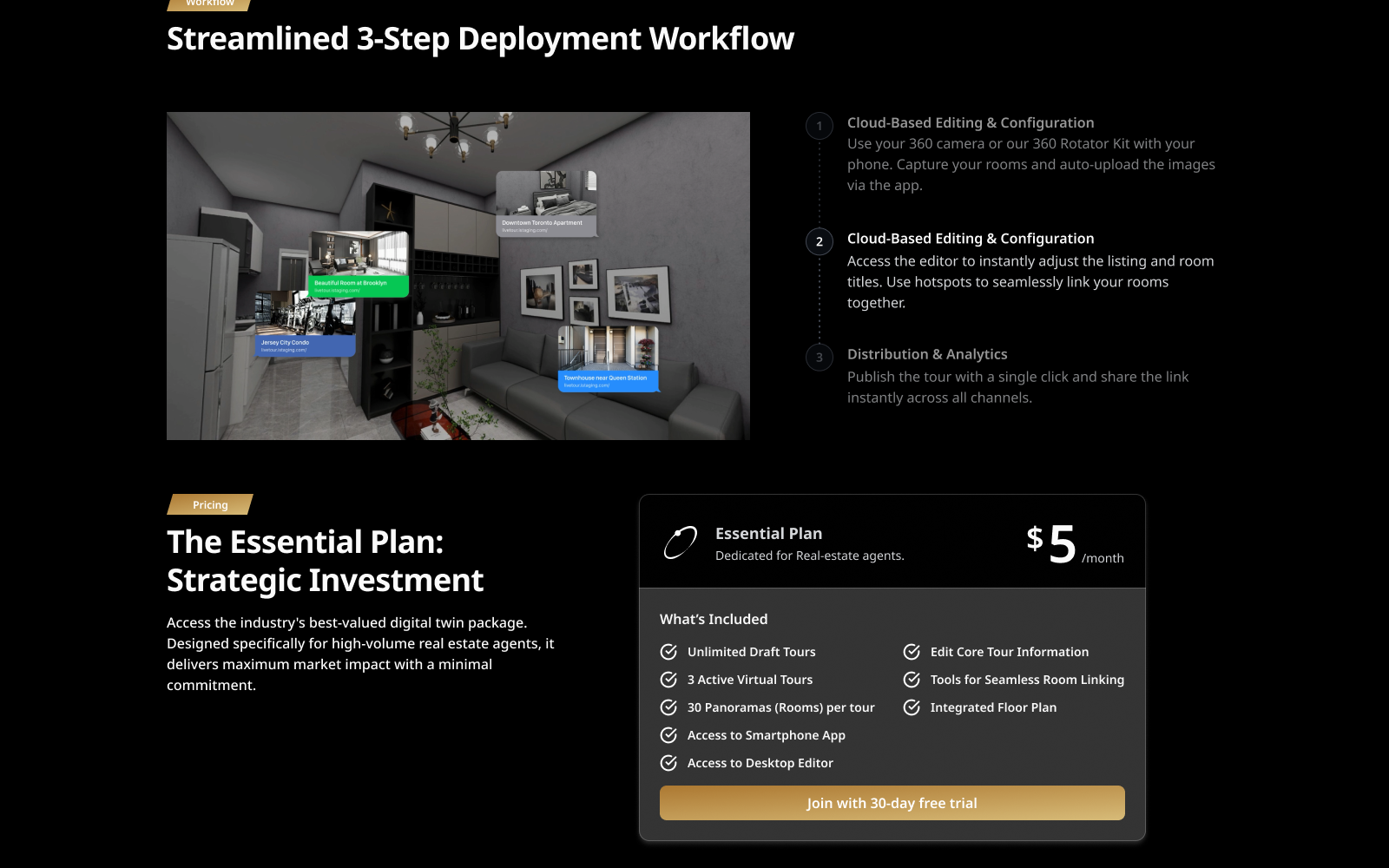
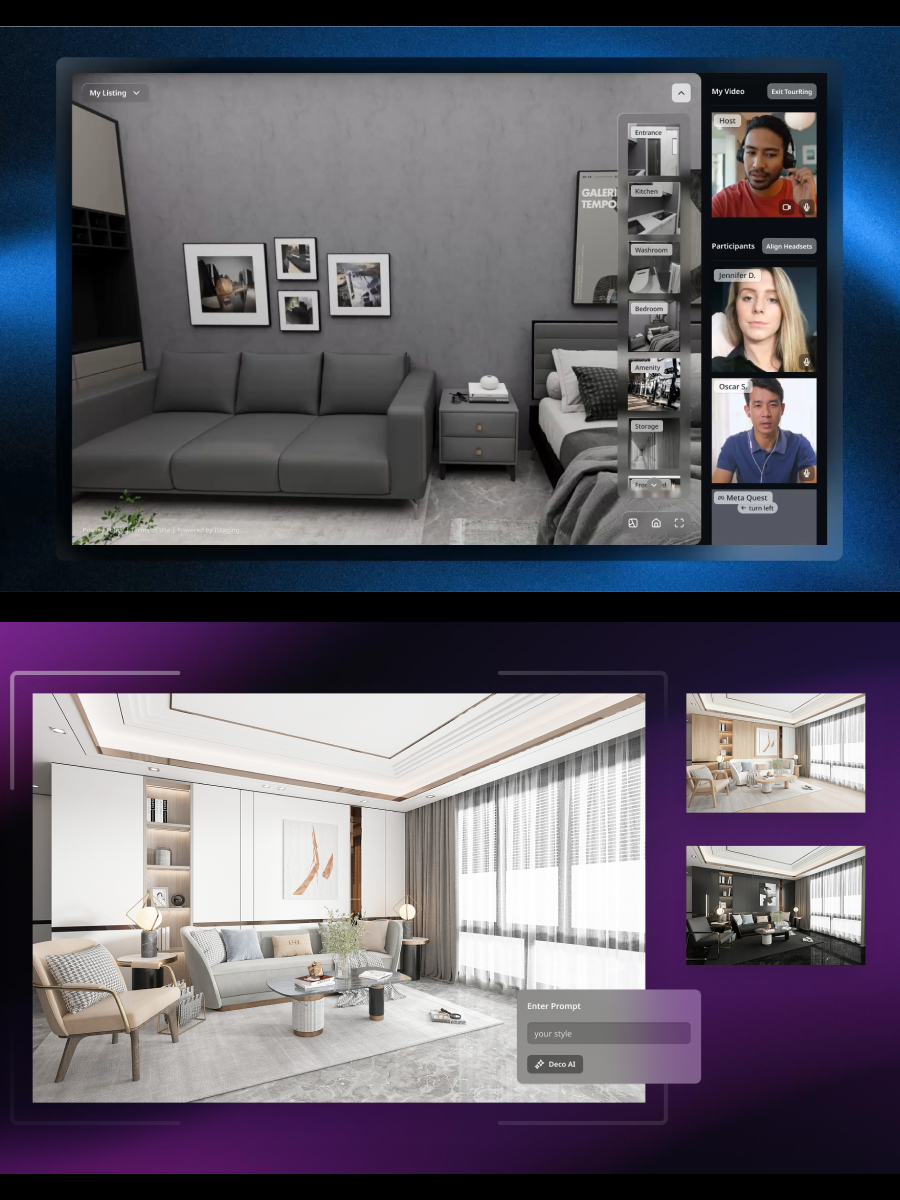
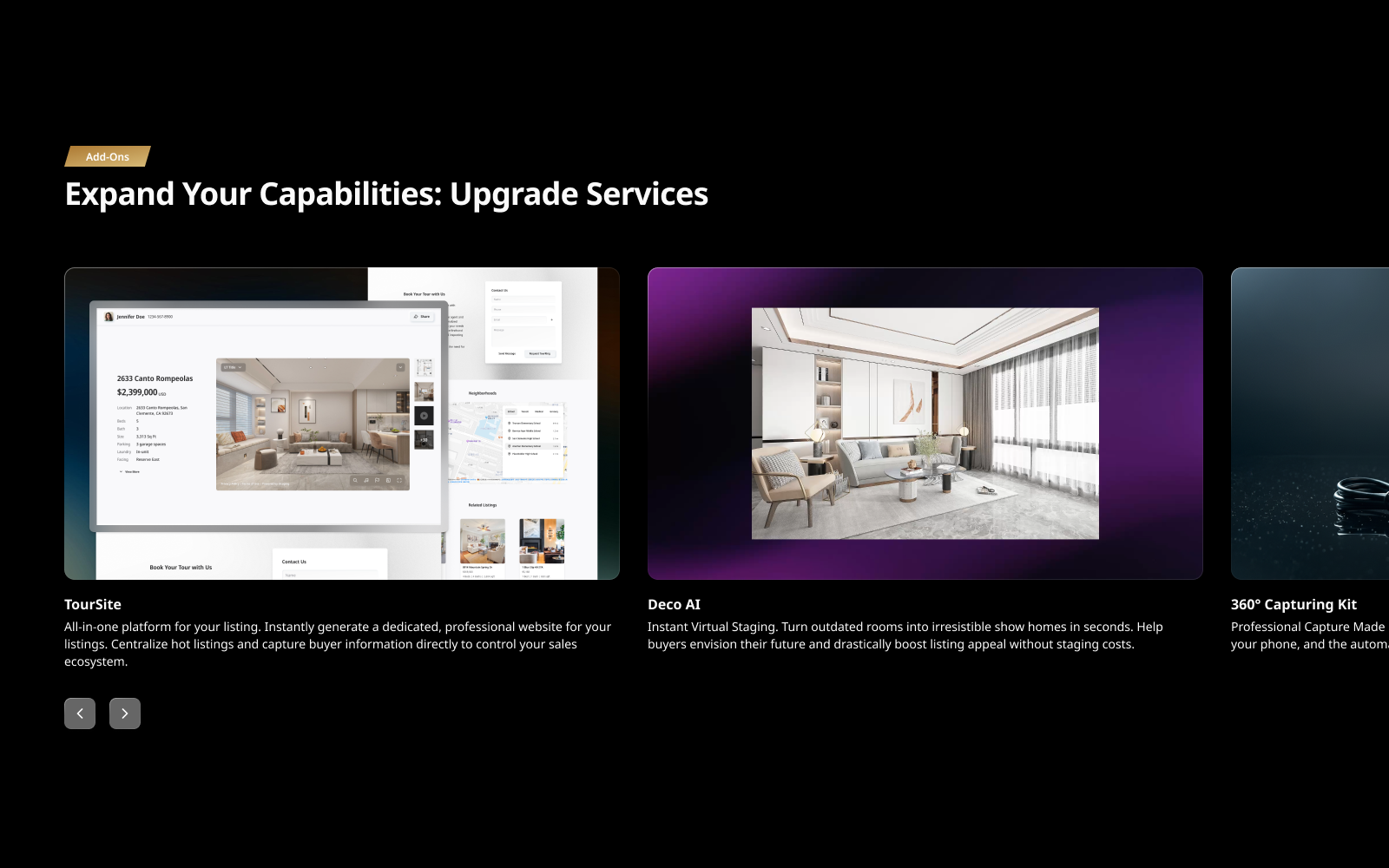
Show the editing work before the sale — a step-by-step of moving between panoramas — then order the add-ons to the agent's job: Capturing Kit to shoot, Deco AI to enhance, TourRing to walk a client through, TourSite to publish.
Showing the work forfeits the buyer who would have churned anyway, and sequencing add-ons by workflow instead of by price sheet makes each one read as a step in their week rather than an upsell.
Scroll-depth showed significantly more visitors reaching pricing and the add-on tier.
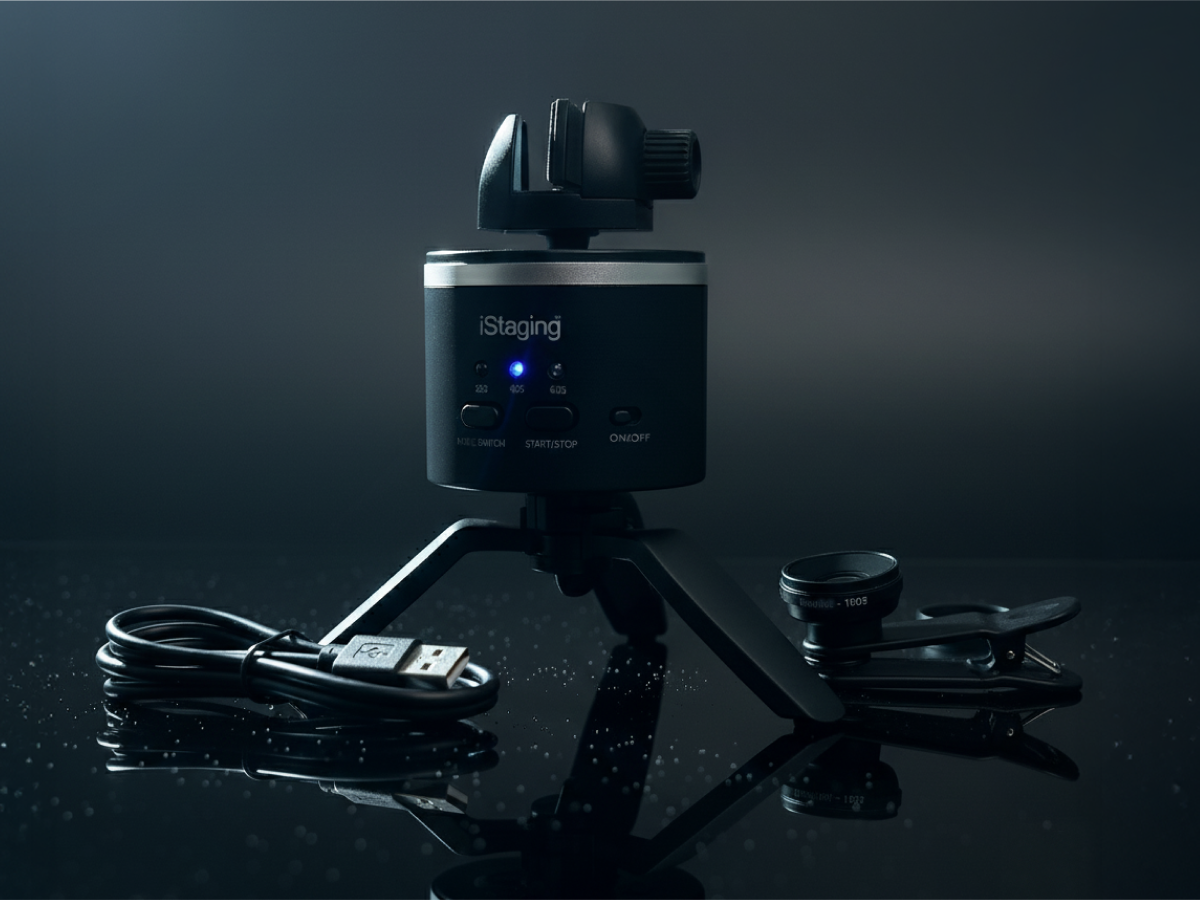
Demo as headline
The live product loads before any claim made about it.
Add-ons as workflow
Upsells ordered by the agent's job, not by the price sheet.
Campaign template
The page became the model for iStaging paid marketing.
The trade-off — I bypassed the root problem instead of fixing it. The main site's SEO issues remain, but the campaign proved purpose-built pages are the faster, cheaper win for paid traffic.
What I'd improve — the embedded demo carried real weight on mobile, where most of the ad traffic landed, and I shipped it without a load-time budget. Scroll depth told me the sequence worked; it never told me what the demo cost me.
Next time — on a one-pager the content hierarchy is the design, and the fastest way to explain an unfamiliar product is to let someone use it. Find the thing you can demo instead of the paragraph you'd write.