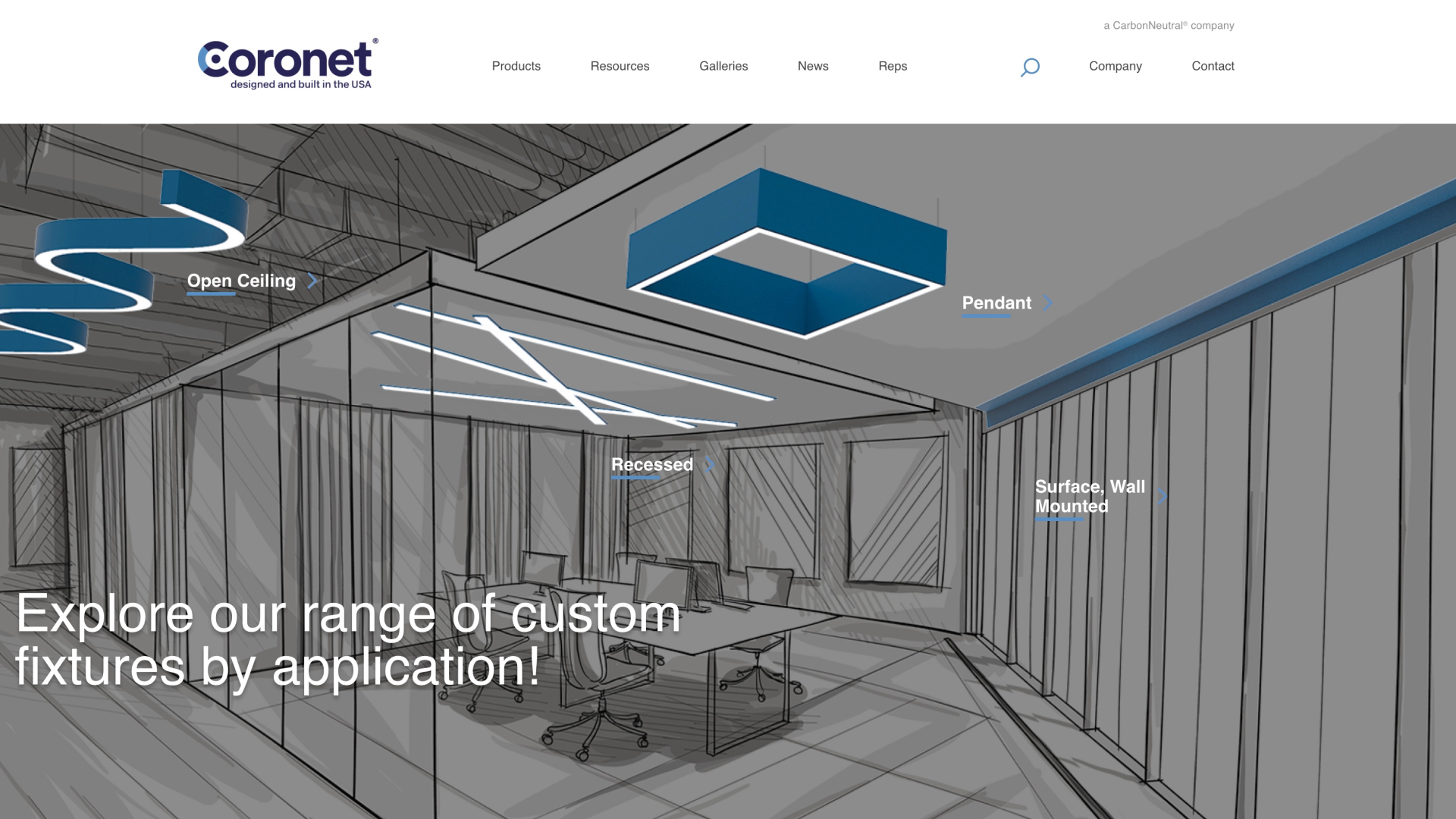
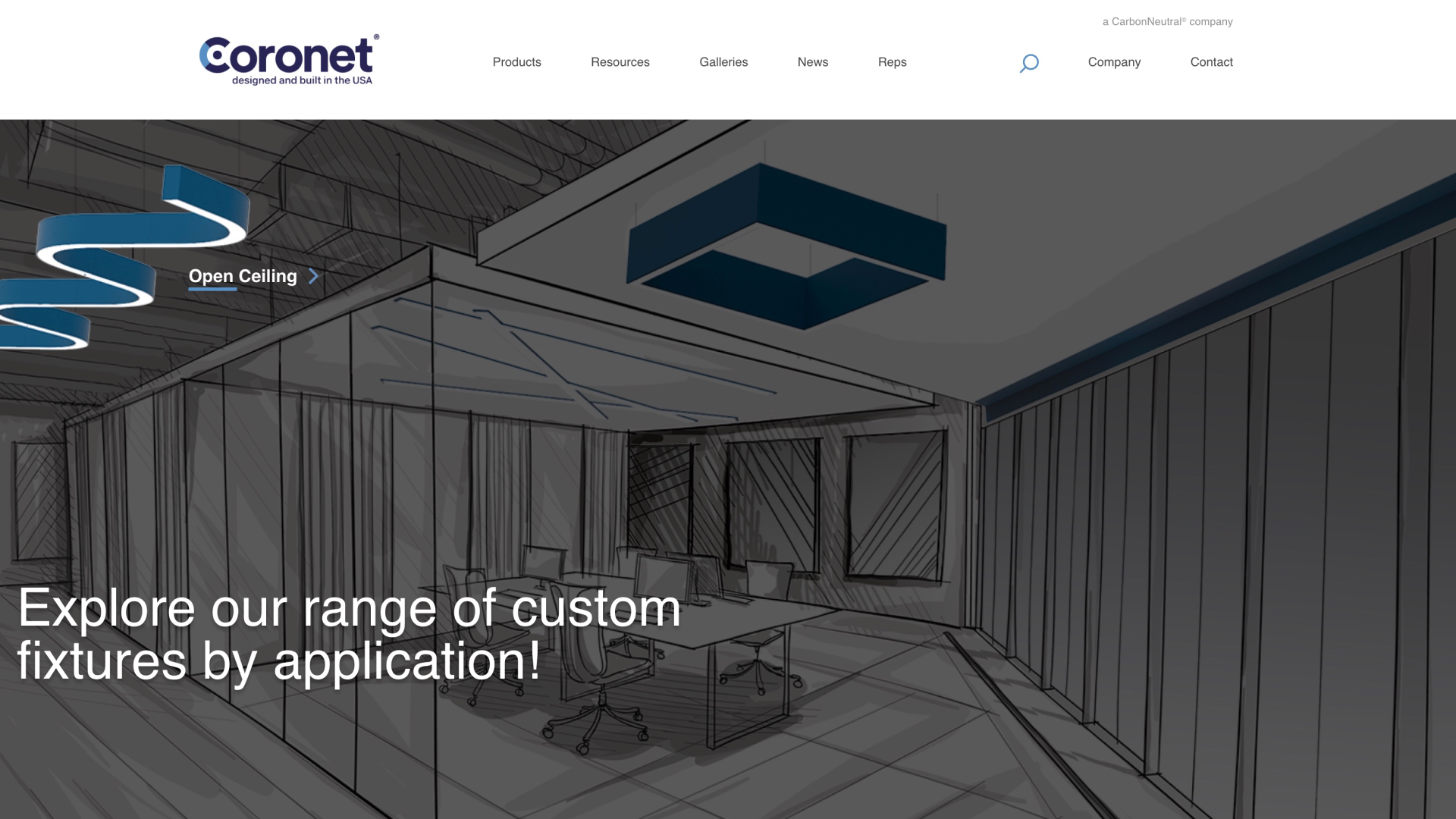
Coronet LED — A Showcase the Client Can Own
A custom product showcase and CMS for a bespoke lighting manufacturer — built inside their existing WordPress so the marketing team never waits on a developer again.

Custom lighting is a story static pages cannot tell.
Business
- Communicate bespoke capability, not a product grid
- End developer dependency for content updates
User
- Specifiers search by application and spec
- Architects need lighting shown in context
Technical
- Extend the existing WordPress — no rebuild
- A content model non-technical staff can run
Complexity in a grid
Standard e-commerce patterns flatten custom design work.
The handoff cliff
Most CMS projects collapse when the agency leaves.
Platform constraint
Everything had to live inside the WordPress they already had.
Three contexts
Desktop office, tablet site visit, phone on the go.
I designed the showcase — and the system that outlives it.
Owned
- Showcase UX
- CMS Content Model
- Interaction Design
- Handoff & Training
Collaborated with
- Creative Director
- WordPress Developer
- UI/UX Designer
Giving the team the tools to own their story.
Build where the team already works
A custom platform would grant control and a permanent maintenance dependency — and admin interfaces built around database structure never get used.
Build inside WordPress, and design the content model around how Coronet's marketers already think about products.
Right-size the solution to the client's actual capacity; whether the CMS matches their mental model decides whether it survives handoff.
Six months post-launch, routine updates ran with zero developer involvement.
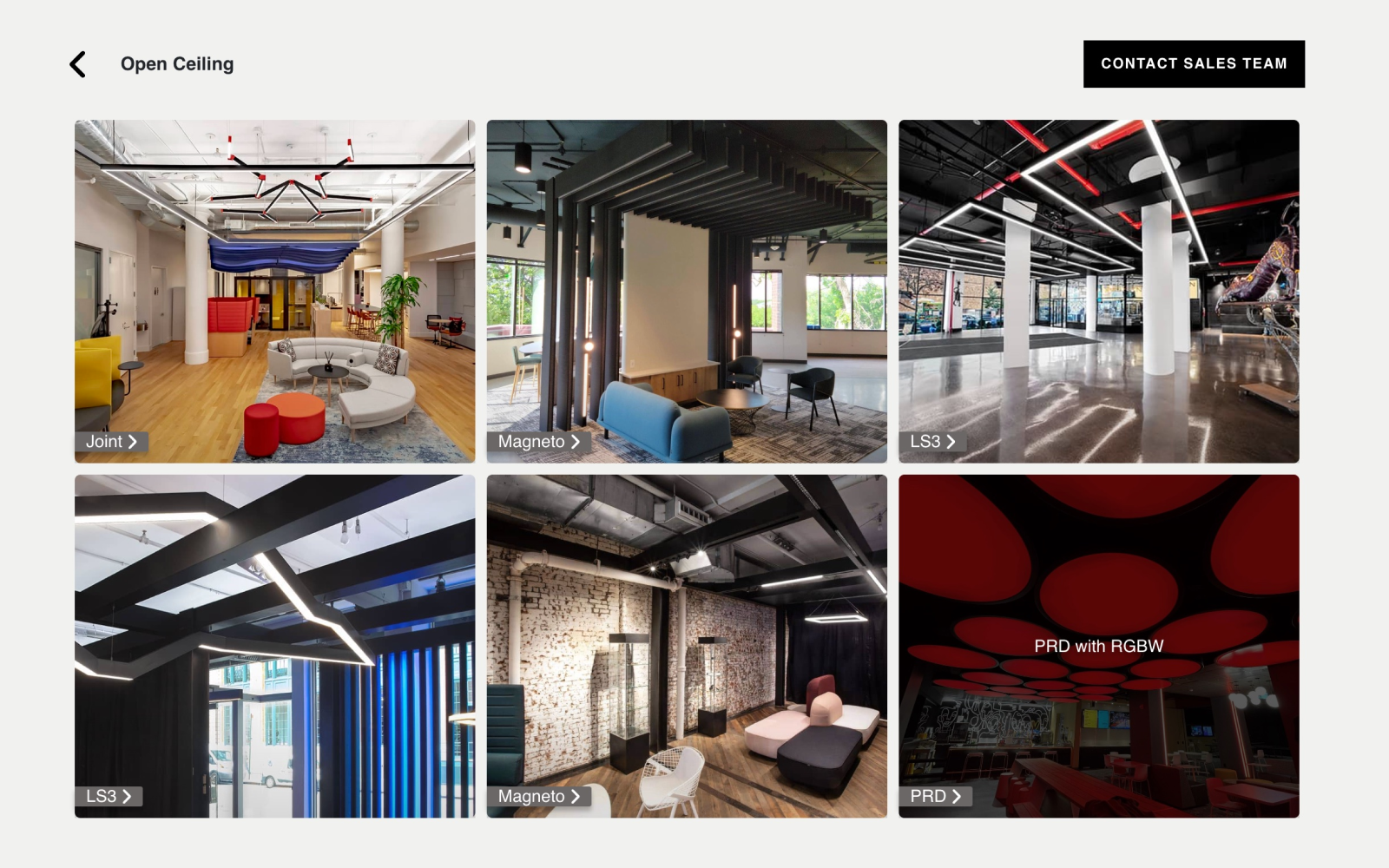
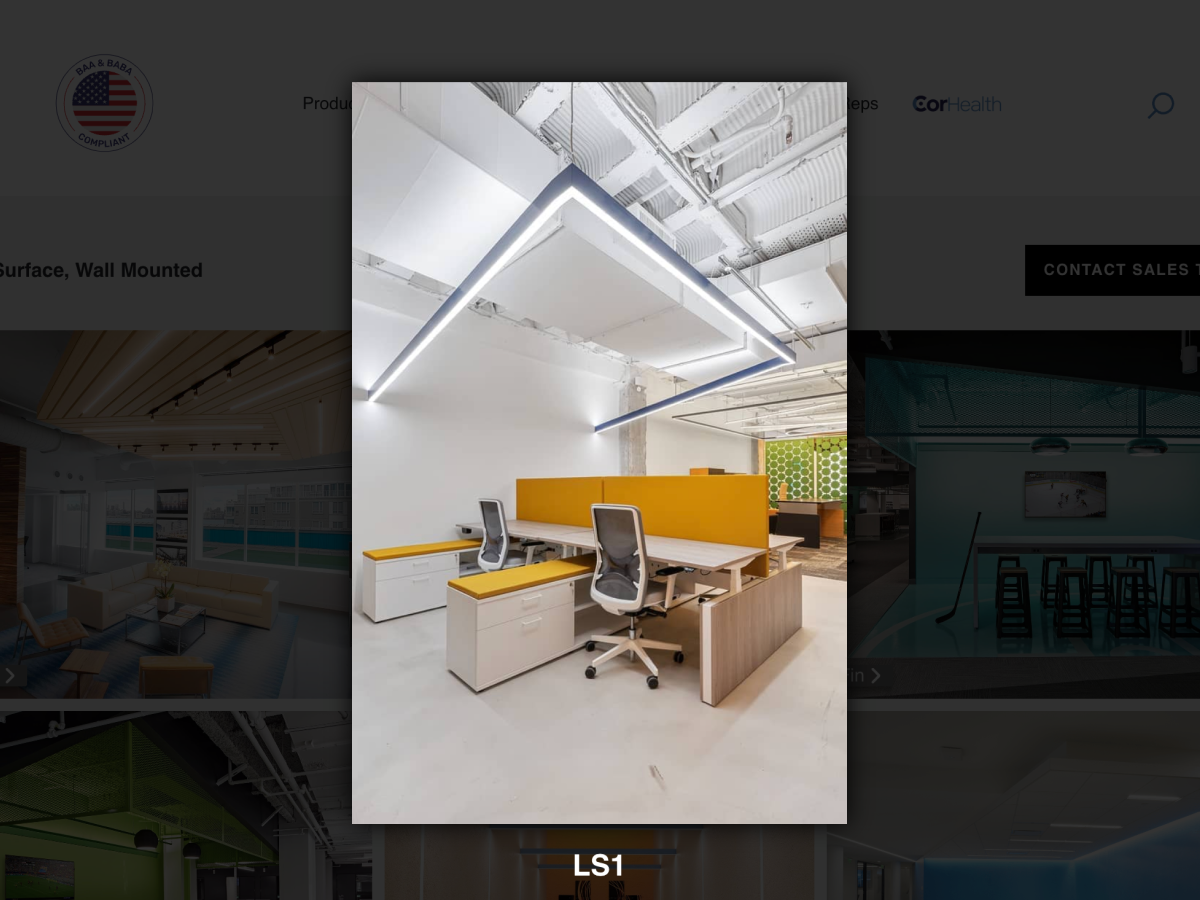
Photography is the spec sheet
A spec sheet cannot convey how light performs in a room.
Product pages built around large-format installation photography; specs accessible but secondary.
Specifiers buy the effect of light, then verify the numbers.
Client reported stronger engagement from specifiers and architects.
Marketer-shaped CMS
An admin experience modeled on the team, not the database.
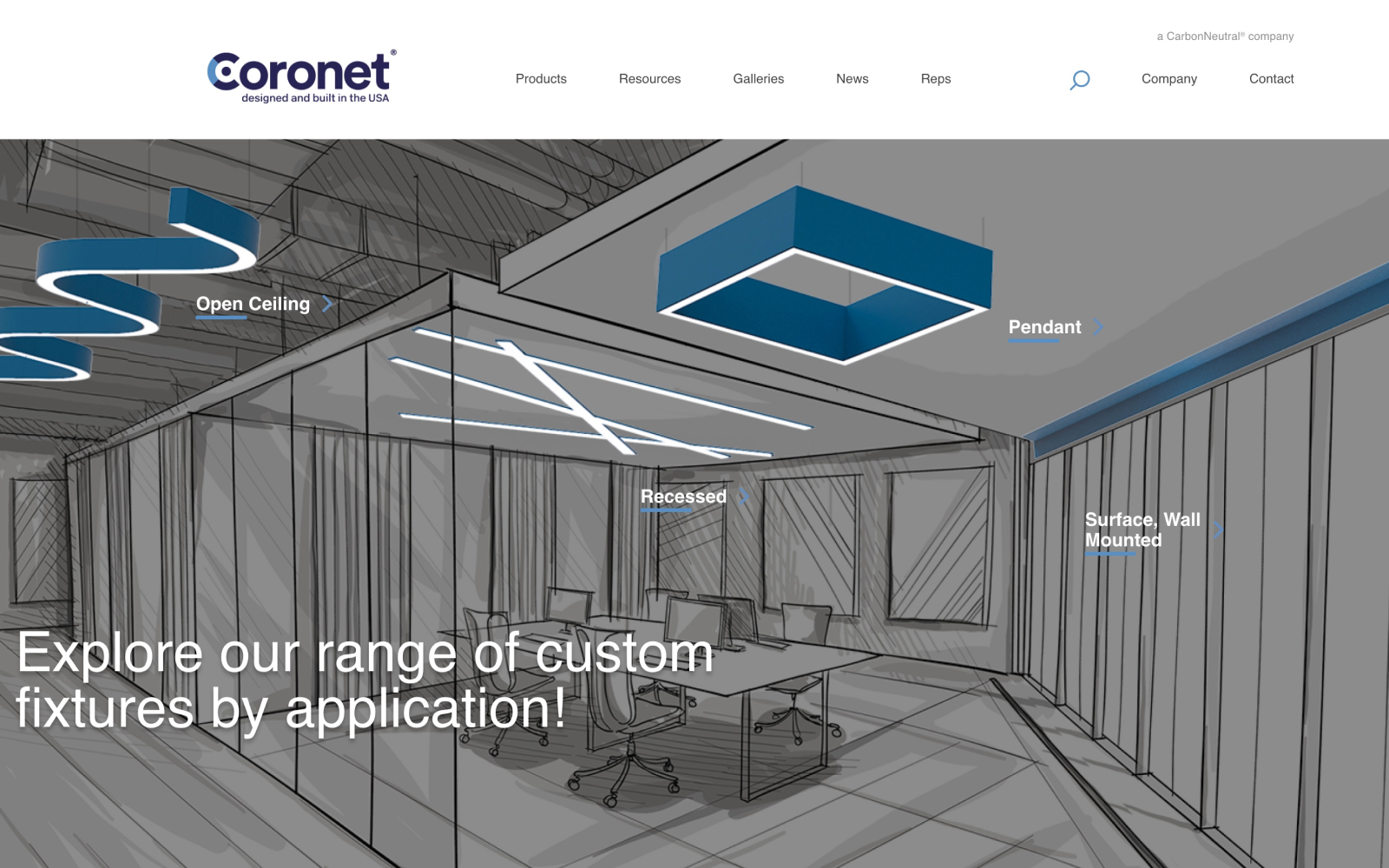
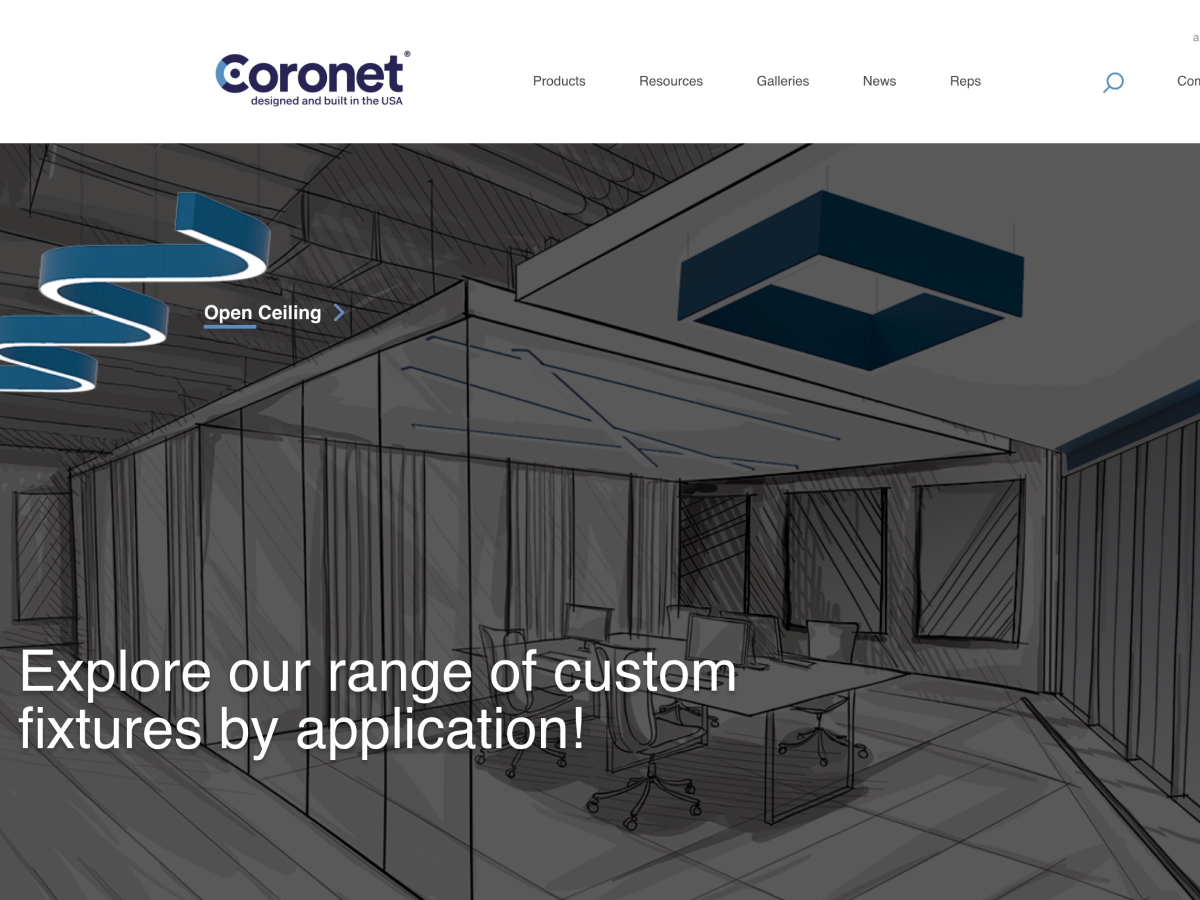
Specifier-first filtering
Browse by application and specification, the way lighting designers search.
Workflow-based handoff
Documentation written per task, not per feature.
The trade-off — I gave WordPress constraints veto power over design ideas. Some richer interactions were cut, but everything that shipped is something the client can maintain alone.
What I'd improve — analytics on the filtering system — knowing which spec combinations specifiers search would guide Coronet's product marketing.
Next time — the most durable deliverable is client autonomy. The visual design is the front door; the CMS is the house.