What Do We Know What We Know
What happens to emotion when it crosses the border between languages?

Some feelings have no word in the language you happen to be speaking.
Sehnsucht. Saudade. Mono no aware. Every language names emotions the others have no room for, and translation thins them out or loses them altogether. Language fails precisely where it matters most.
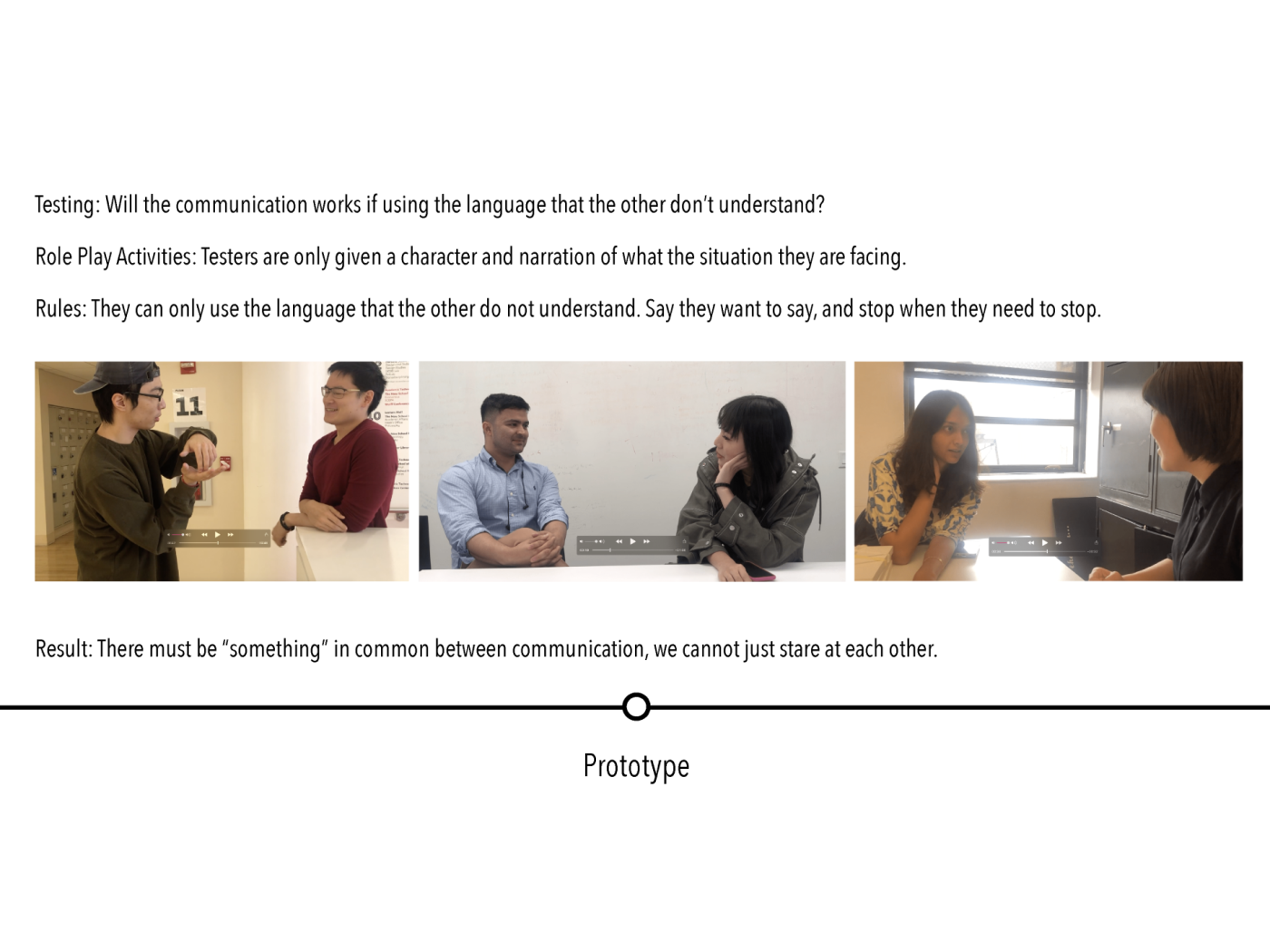
I spent four months inside that gap — where the word doesn't exist but the feeling does — testing whether transmedia and immersive storytelling could carry what vocabulary can't.
What if the feelings that matter most are the ones that can't be translated?
What if immersive storytelling could hold what no single language has words for?
What if the future of communication isn't better translation but new forms of expression?
Cataloguing the gaps
I collected untranslatable emotional concepts across dozens of languages, along with the cultural context that makes each one legible. Every culture names feelings the others lack — which means experience is shaped by language at least as much as language is shaped by experience.
Testing what survives the crossing
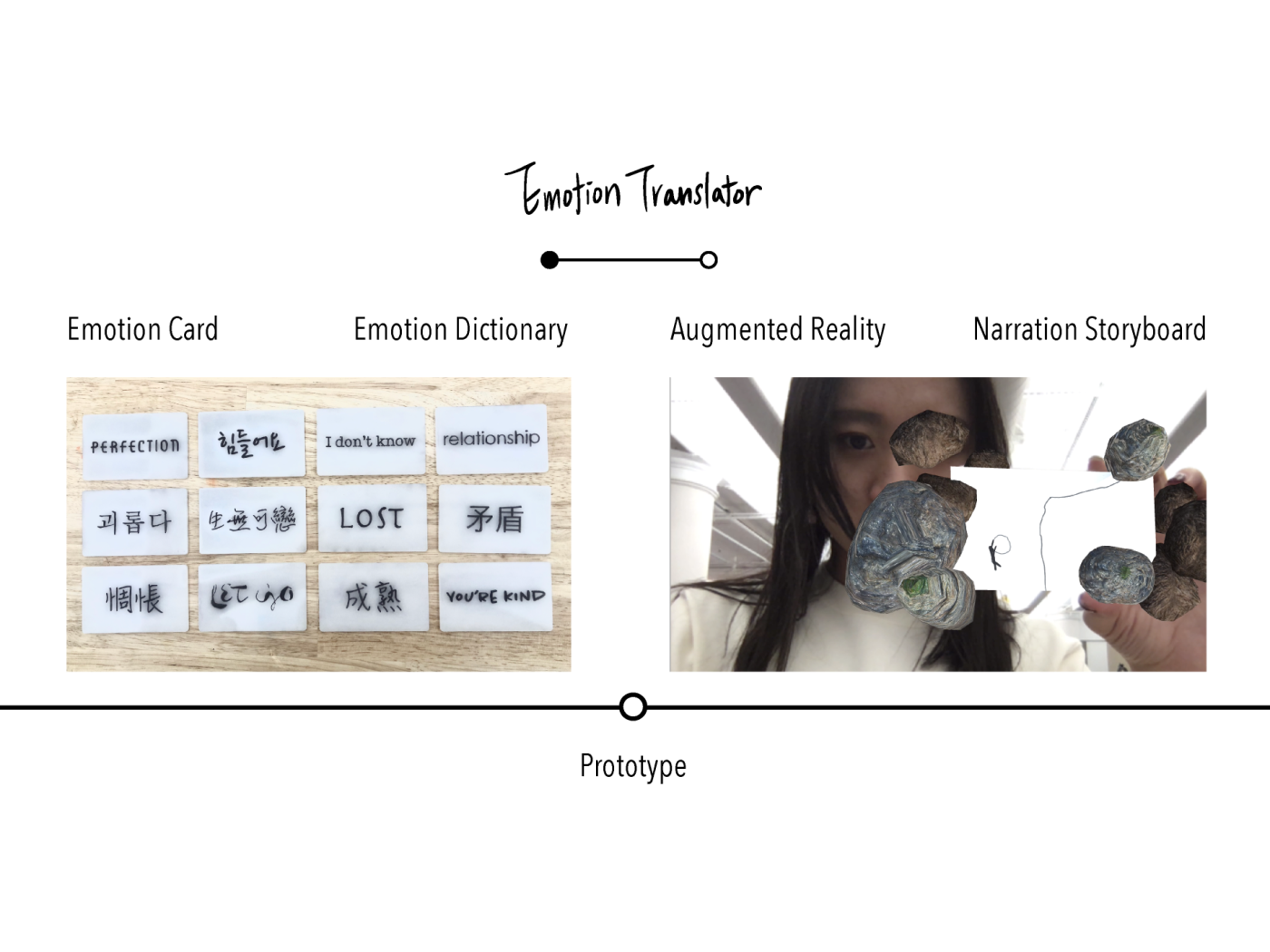
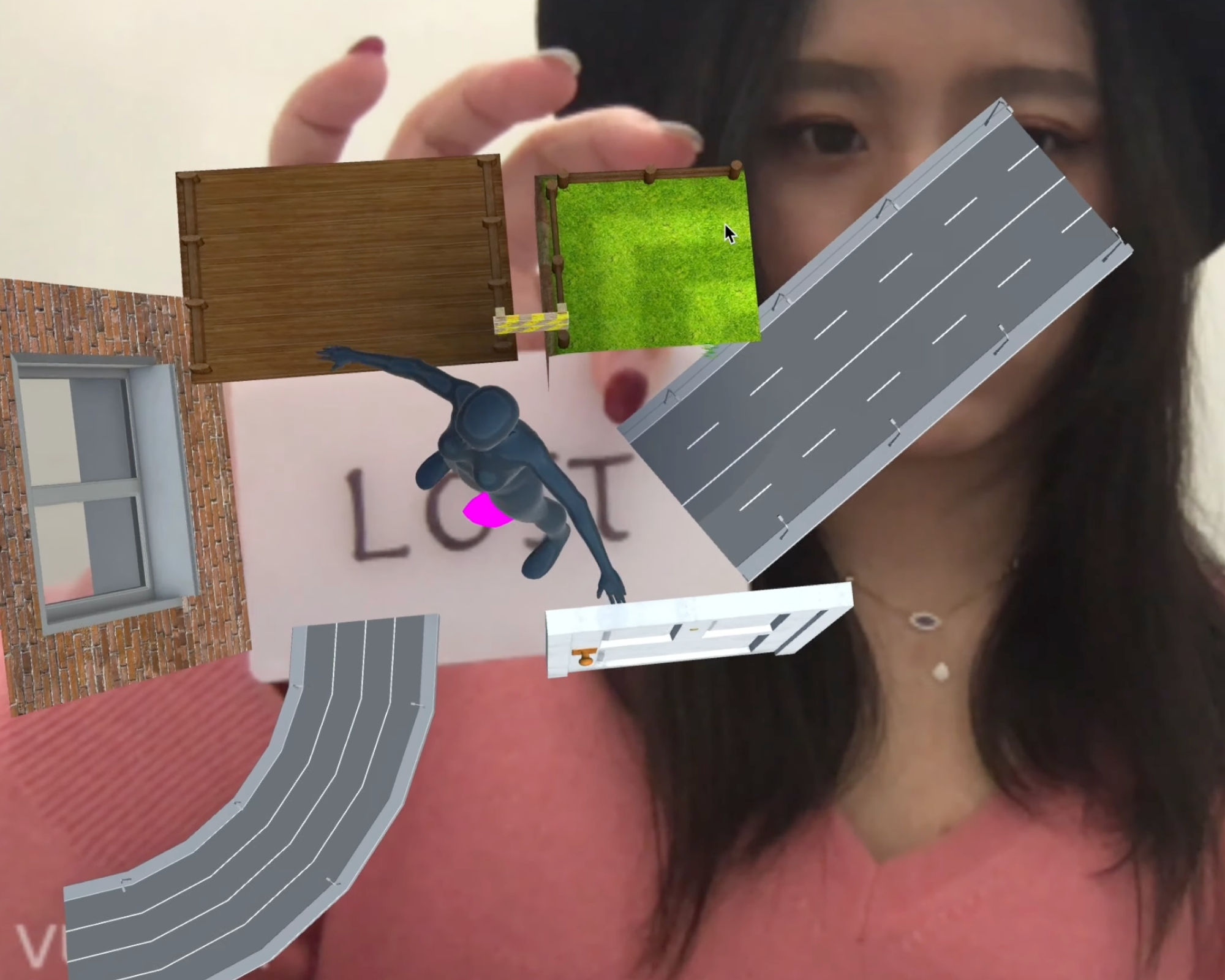
I tried to carry specific emotions into video, sound, installation and interactive text without ever using the original word. Could a sequence hold saudade? Could a composition hold mono no aware? The results were uneven, and the failures taught me more than the successes.
Why a written argument and the objects?
The irony of studying untranslatable feeling is that you need language to argue about it at all. The paper carries the case for why the gap matters; the media experiments show what lives past the edge of language.
Two channels that reinforce and contradict each other — which is closer to how complicated things actually get understood.
Research paper with supporting transmedia experiments
A paper, and the objects that argue past it.
The work exists in two halves: a written argument for why untranslatable emotion matters, and a set of media experiments attempting to carry specific feelings without ever naming them. Neither half is complete alone.
Language builds the feeling
Having a word changes how specifically and how intensely an emotion is felt. Languages don't label feelings that already exist — they make the categories that feeling flows into.
Some emotions are medium-bound
Mono no aware, the beauty of impermanence, carried into time-based media and died in a still image. Fluency in medium may matter as much as fluency in language.
The gap is generative
Where translation fails is not a void. It is the space that forces new forms into existence, and it is where design has the most to offer.
The most important things we feel are the ones we have no words for — and that isn't a limit of language, it's an invitation.