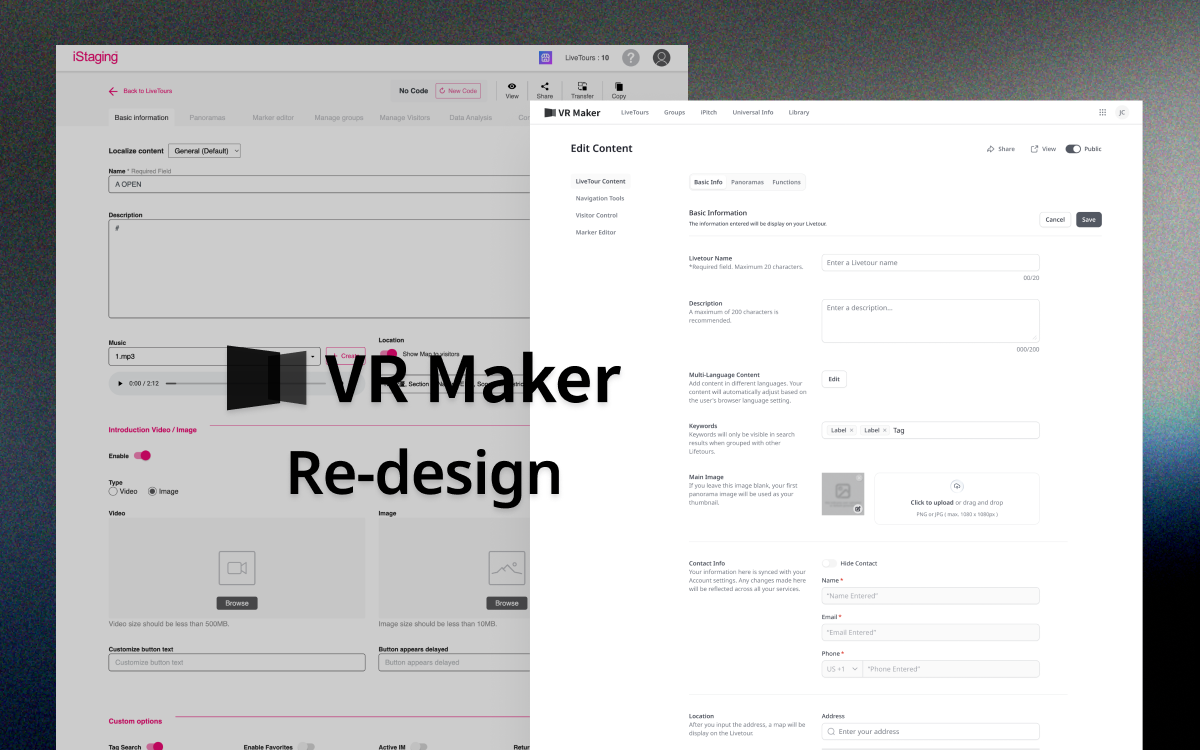
VR Maker — Rebuilding a Live Platform, Piece by Piece
Ground-up redesign of a ten-year-old virtual-tour platform with active paying users — UX, architecture, and pricing rebuilt in one program, with zero data loss.

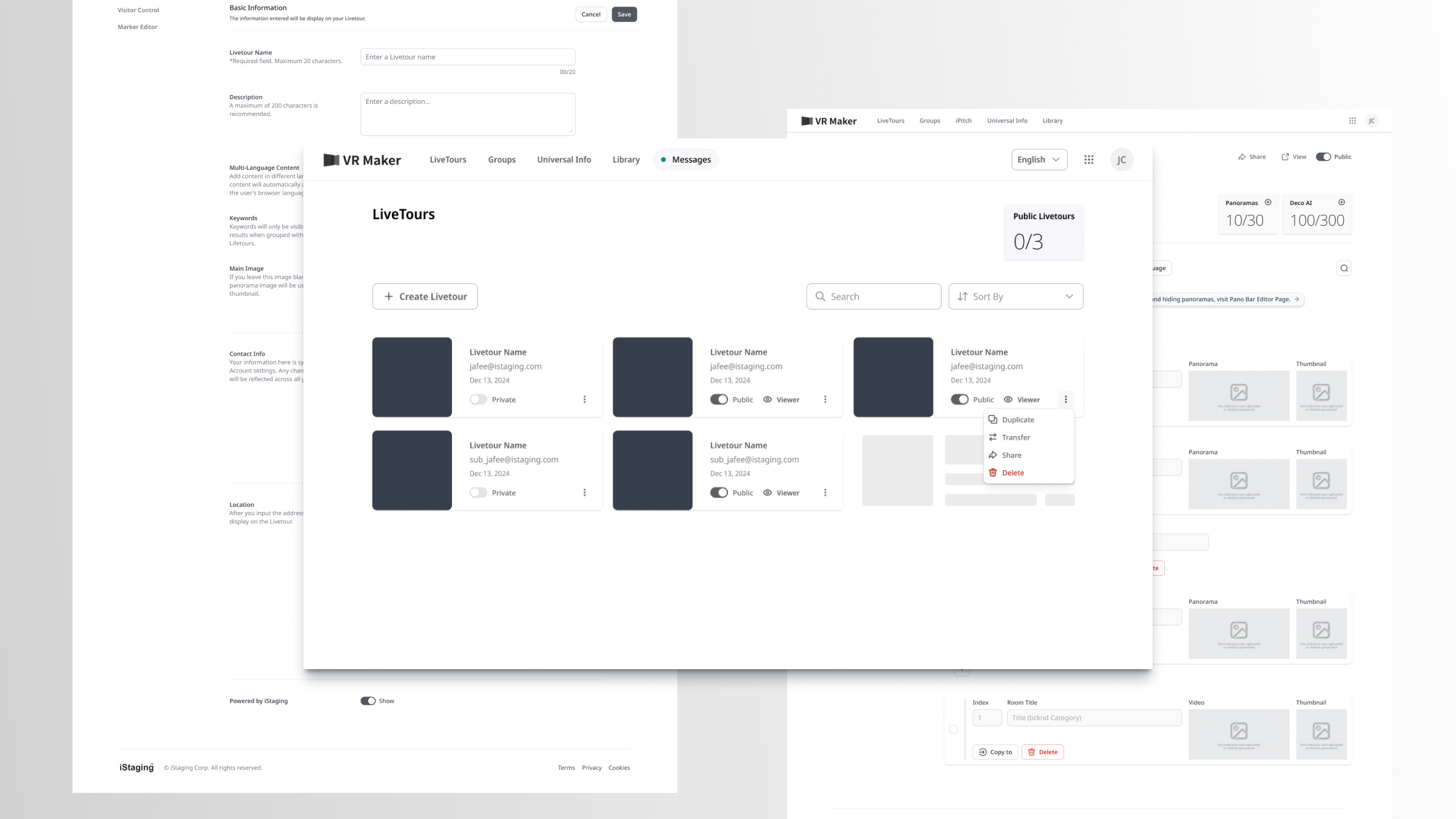
Ten years of patches — on a platform people run their businesses on.
Business
- Modernize UX, architecture, and pricing at once
- Introduce subscription tiers without hurting conversion
User
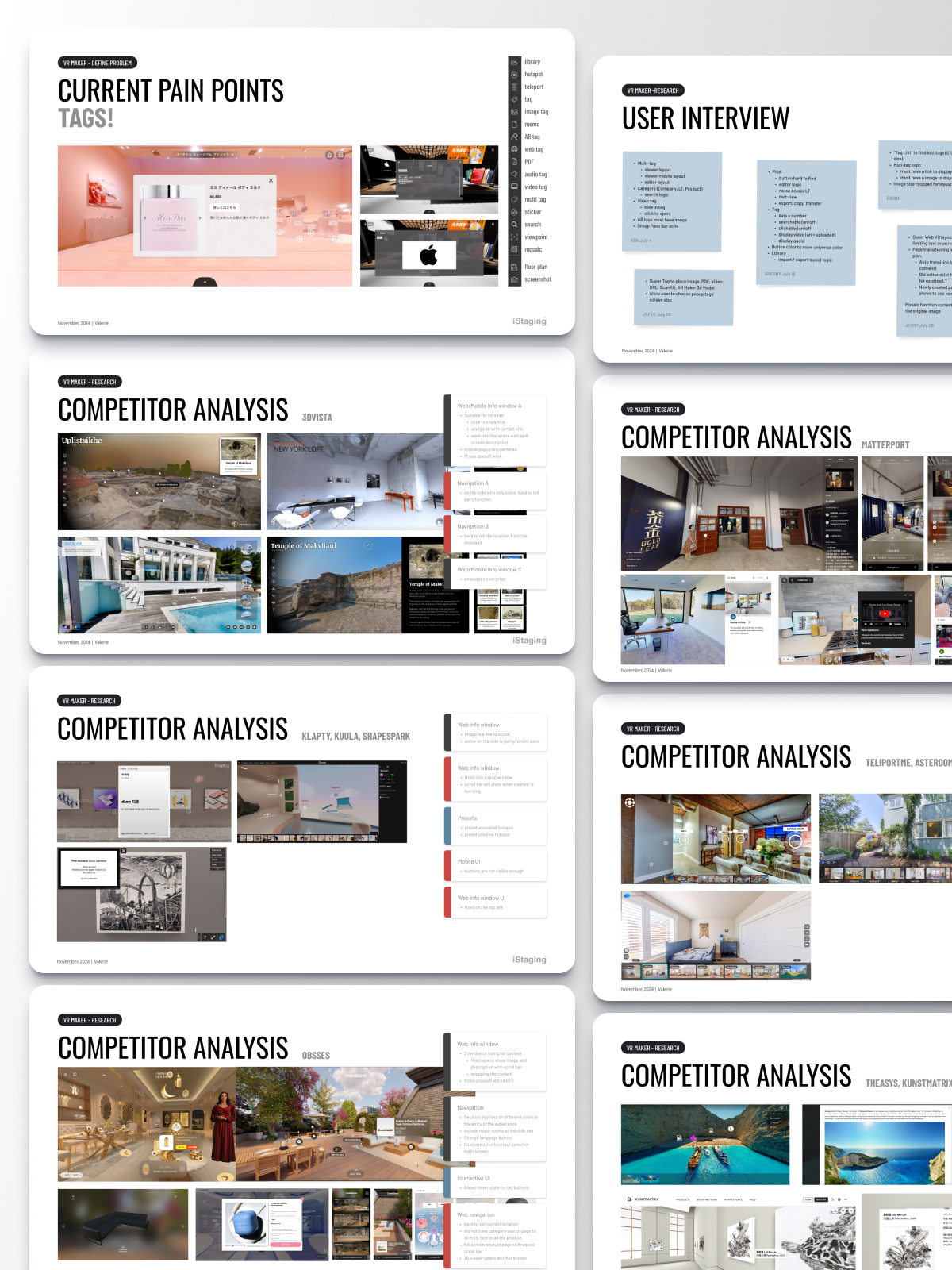
- Minute-long tasks had become multi-step ordeals
- 70% of support tickets came from three workflows
Technical
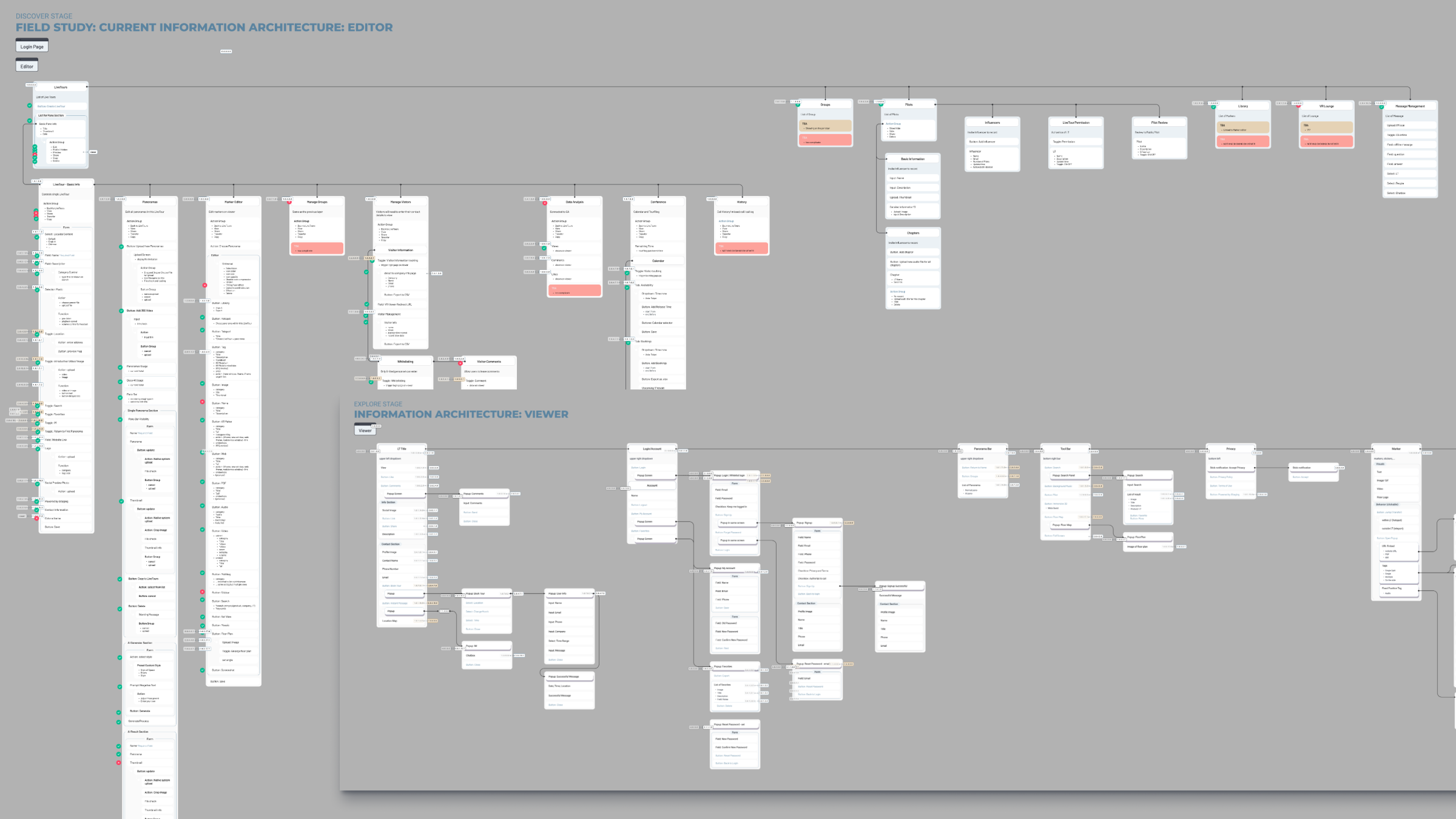
- A decade of coupled features to untangle
- Zero data loss allowed during migration
Three transformations at once
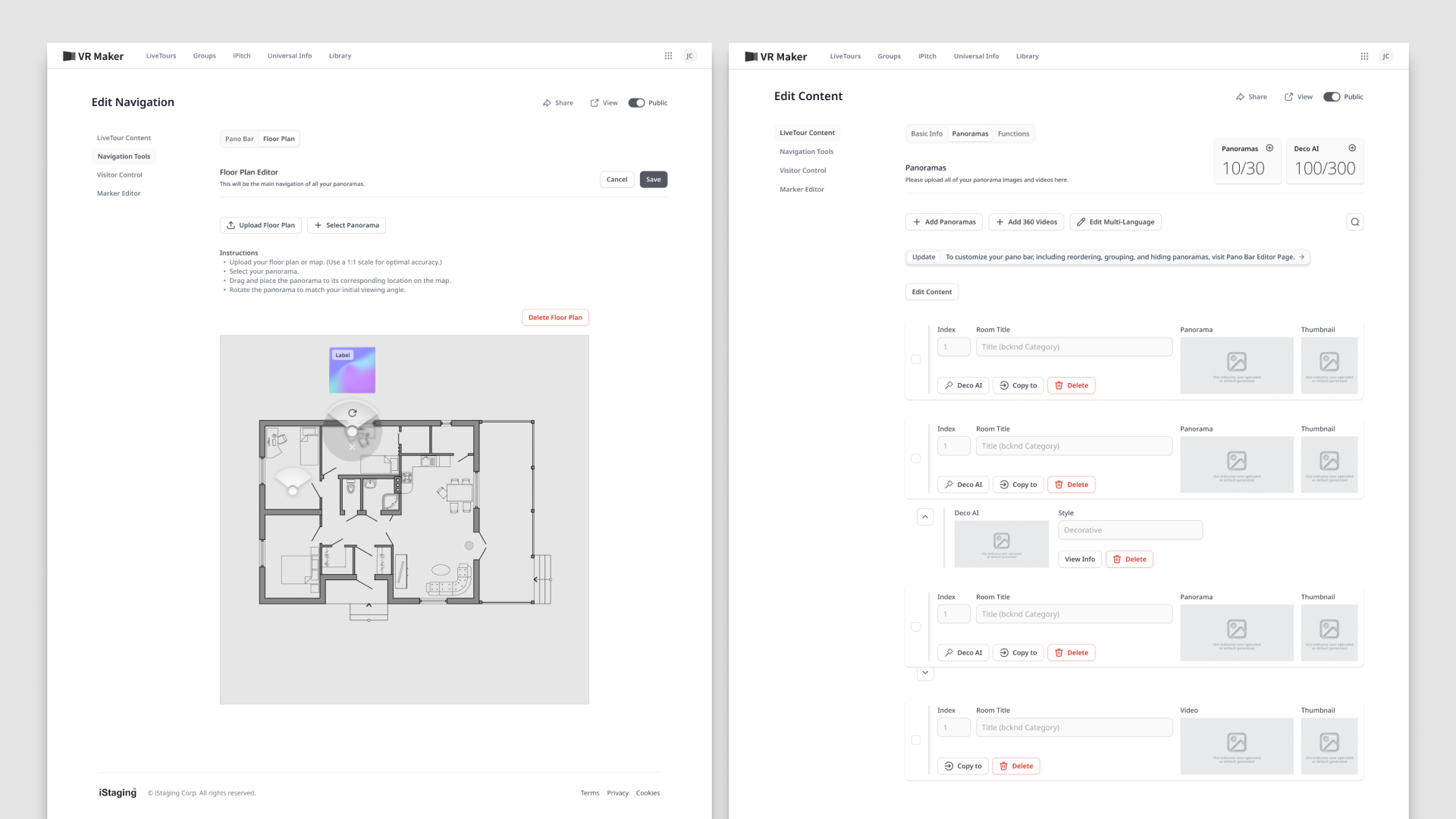
UX overhaul, architecture refactor, and business-model restructure in a single program.
Active paying users
Every change ships into workflows people depend on daily.
Legacy muscle memory
Power users built habits around the old interface — breaking them breaks trust.
Zero-loss migration
Every existing user's content had to transfer seamlessly.
I led the redesign end to end — from platform audit to migration strategy.
Owned
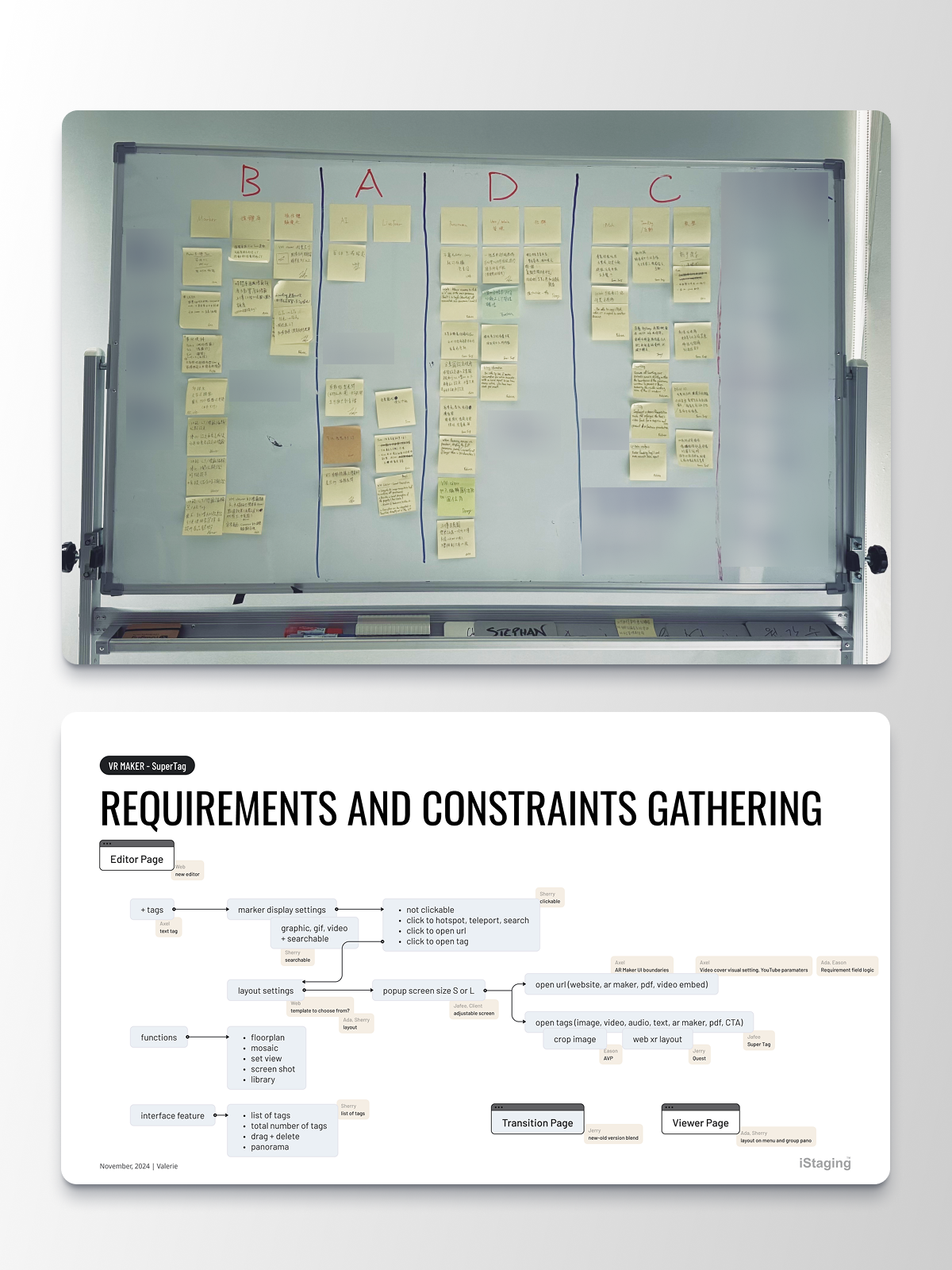
- UX Strategy
- Information Architecture
- Interaction & Systems Design
- Migration Strategy
Collaborated with
- Product Manager
- Platform Director
- Engineering (front & back end)
Redesigning the plane while it flies.
Incremental migration, not a big-bang relaunch
A full relaunch would break the trust of power users who run businesses on the platform.
Ship new modules alongside legacy equivalents, with adoption tracked by analytics.
Each redesigned workflow proves itself with real behavior before the old one is retired.
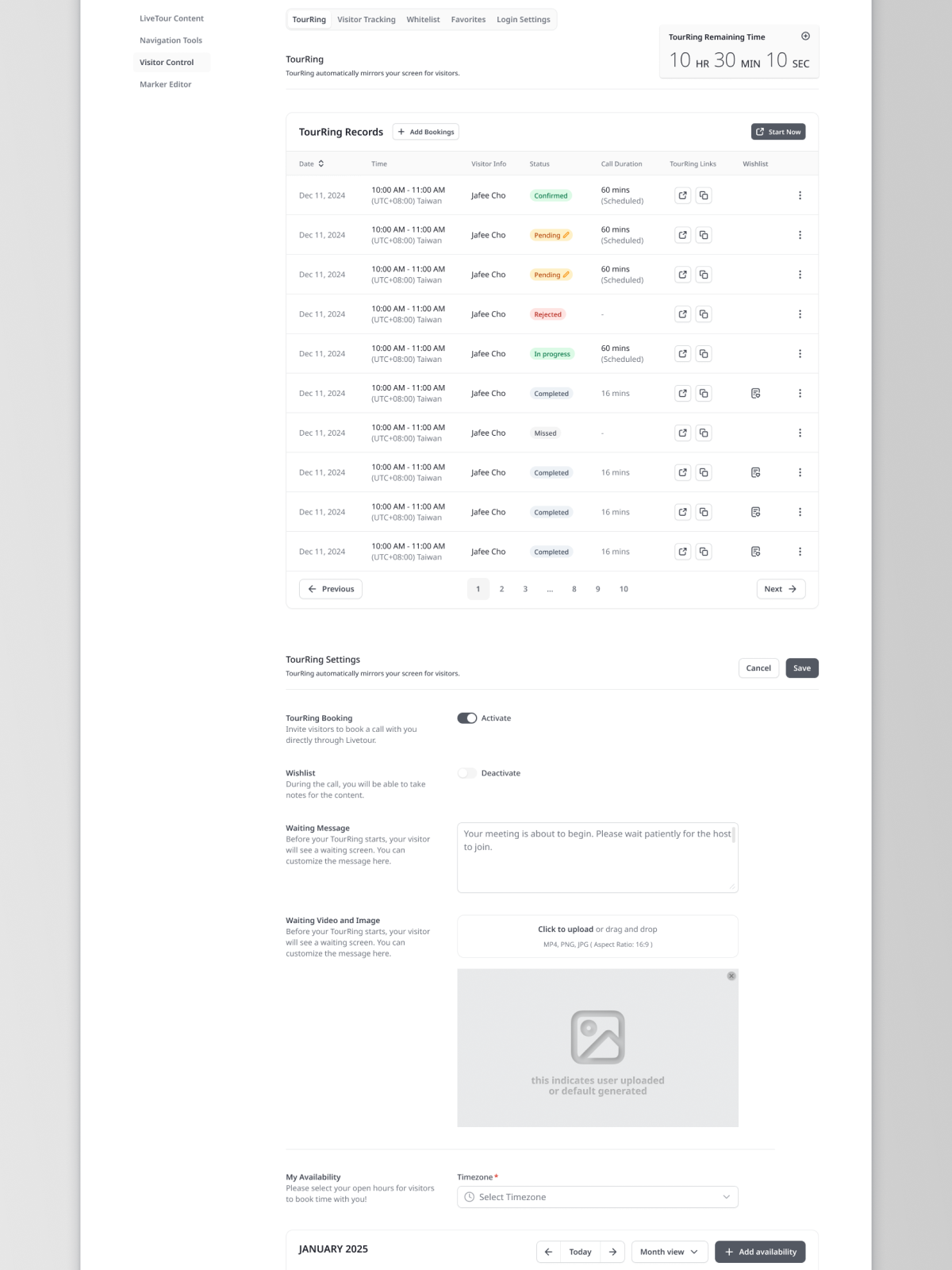
Beta users stitch panoramas in under 3 minutes — down from 12+ on legacy.
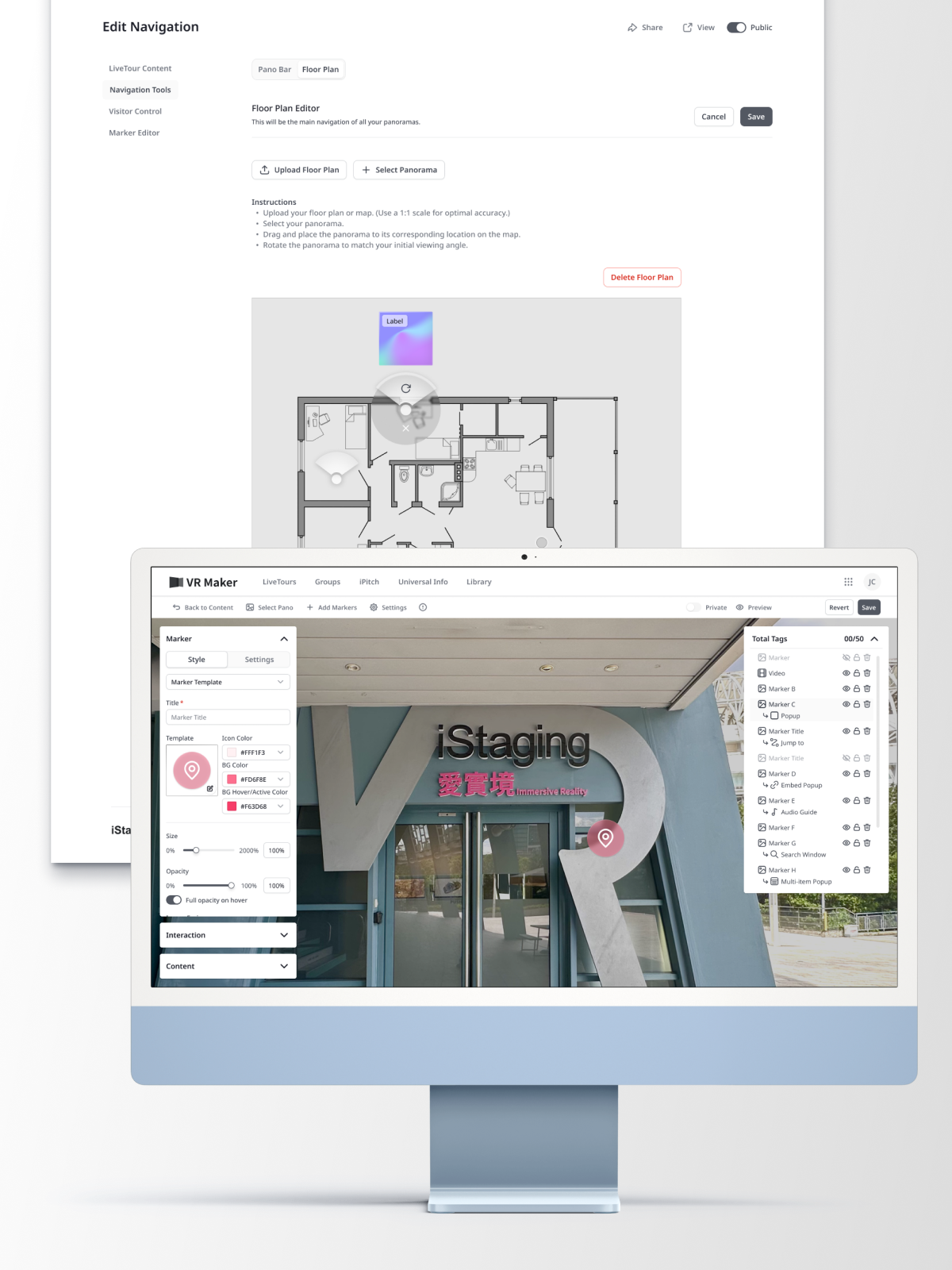
A modular shell instead of a monolith
One risky release across a decade of coupled features was untenable.
Independent feature modules inside one consistent shell.
Engineering can refactor, ship, and roll back one module at a time.
The redesign ships in increments — no big-bang risk for paying users.
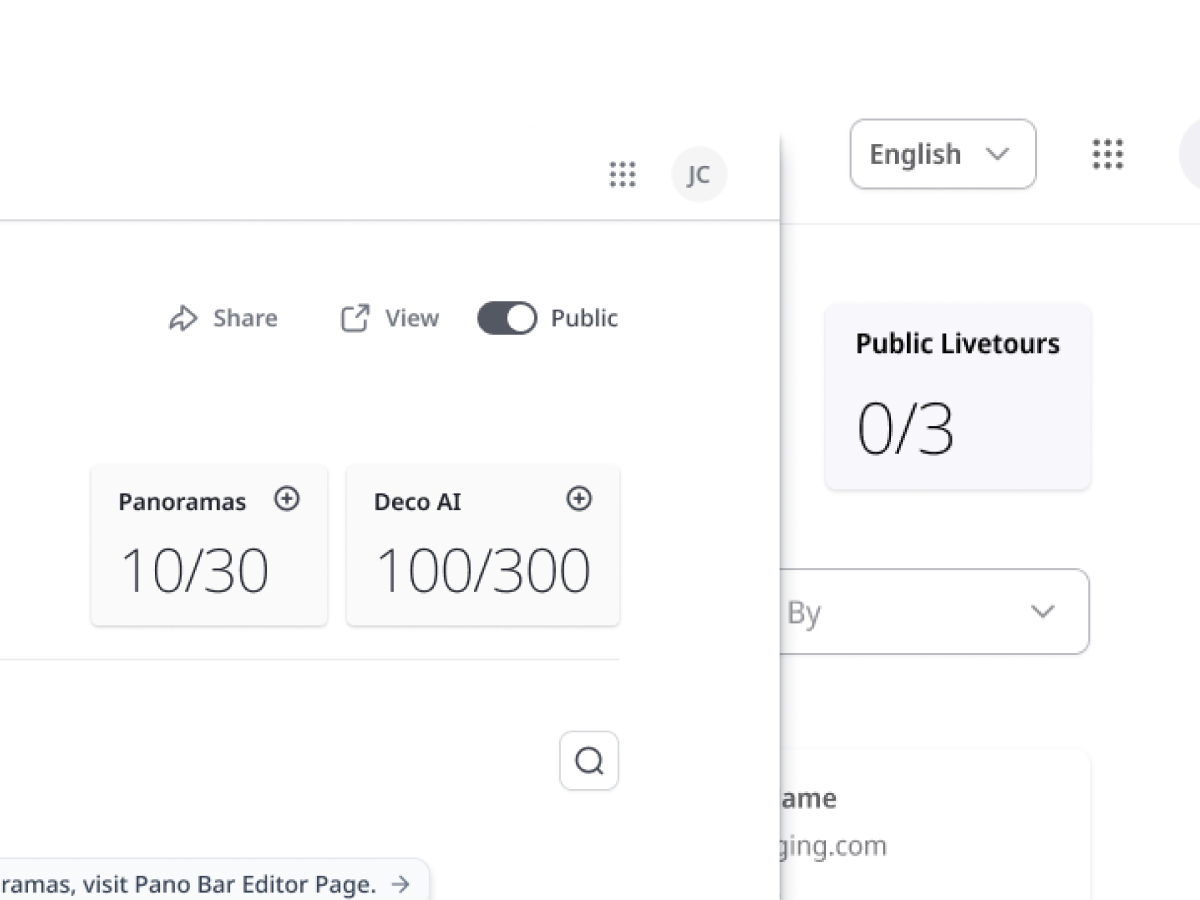
Pricing tiers mapped from usage data
New subscription tiers risked pushing core workflows behind paywalls.
Map features to tiers from actual usage — power features only 15% of users touch go premium.
Protect the core panorama workflow that drives conversion; monetize depth, not basics.
Clear upgrade incentives without gating the workflows users depend on.
Parallel-run migration
New and legacy modules run side by side; adoption is measured before anything is retired.
Variable-driven library
Figma-variable components keep every new module consistent and developer-ready.
Usage-based pricing
Subscription tiers derived from behavioral data, not assumptions.
The trade-off — I chose a slower incremental migration over a faster relaunch. It extends the timeline, but it protects users whose businesses depend on the platform — trust is harder to rebuild than software.
What I'd improve — I would run a dedicated research phase before design exploration; usability testing surfaced legacy mental models that would have redirected weeks of early work.
Next time — phased rollouts need instrumentation from day one. Adoption analytics decided which module shipped next, and earlier data would have sharpened the sequencing.