McDonald's Canada — The Download Nobody Had to Ask For
A bilingual, browser-based AR game for the MyRewards launch — 30 seconds of play that turned an app download into a reward, not a request.



Drive app downloads — without asking anyone to download an app.
Business
- Launch MyRewards with downloads at national scale
- Reach without paid-install friction
User
- Instant play from a QR scan on any phone
- Full experience in English and Canadian French
Technical
- World-tracking AR inside the browser
- French strings run 20–30% longer than English
The ask is the enemy
Download prompts kill campaigns — play had to be the hook.
Bilingual by design
Full Canadian-French parity as a system requirement, not a translation pass.
30 seconds for everything
Game, brand, and conversion inside a single countdown.
Desktop discovery
Users arriving on desktop needed a graceful QR handoff to mobile.
I designed the game and the conversion arc — from first scan to app install.
Owned
- Creative Pitch
- AR Game Design
- Bilingual UX System
- Conversion Flow
Collaborated with
- Creative Director
- AR Developer
- UI/UX Designer
The campaign that earned attention.
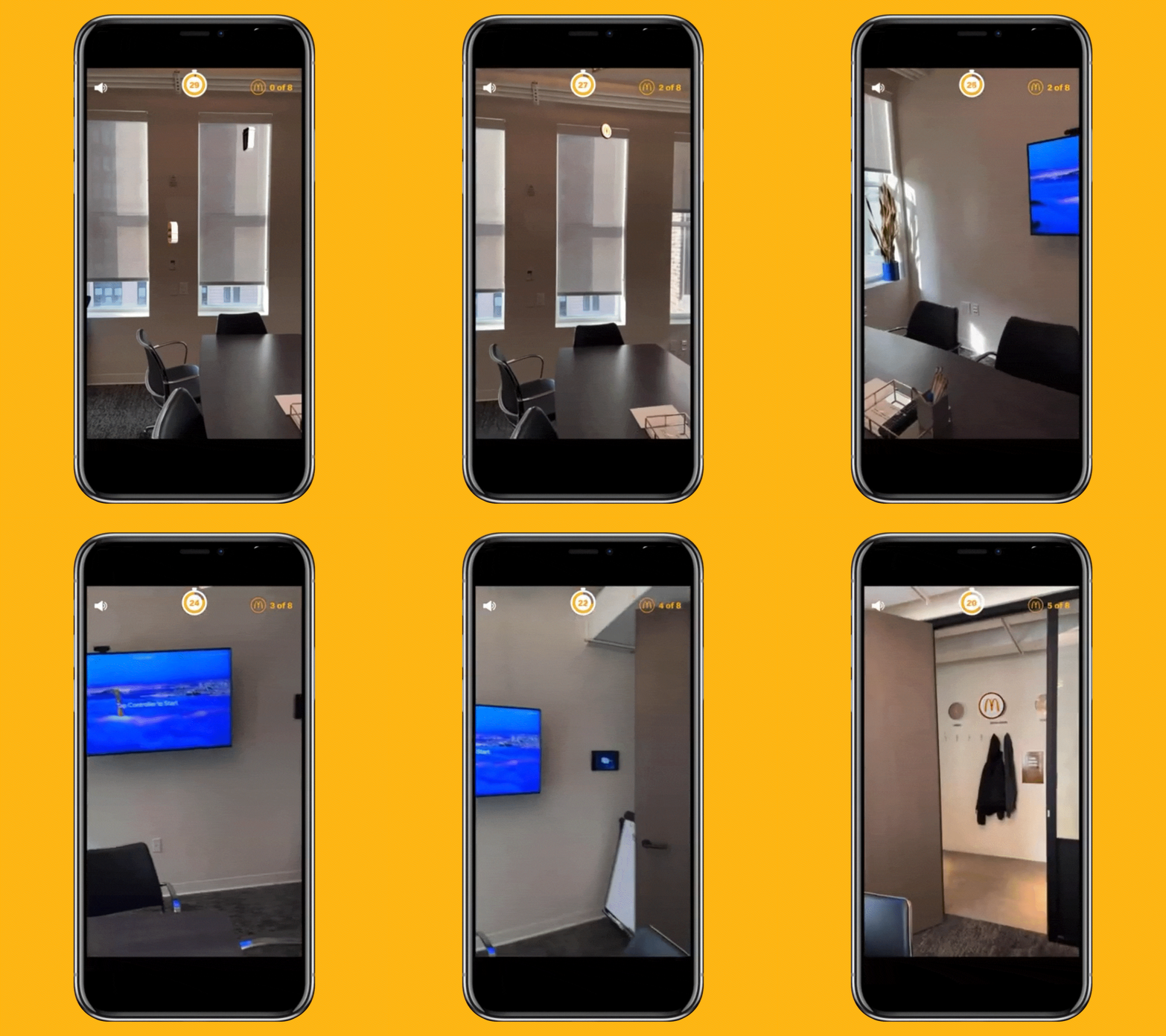
A 30-second clock as the engine
The game had to hold attention, reward replay, and stay shareable.
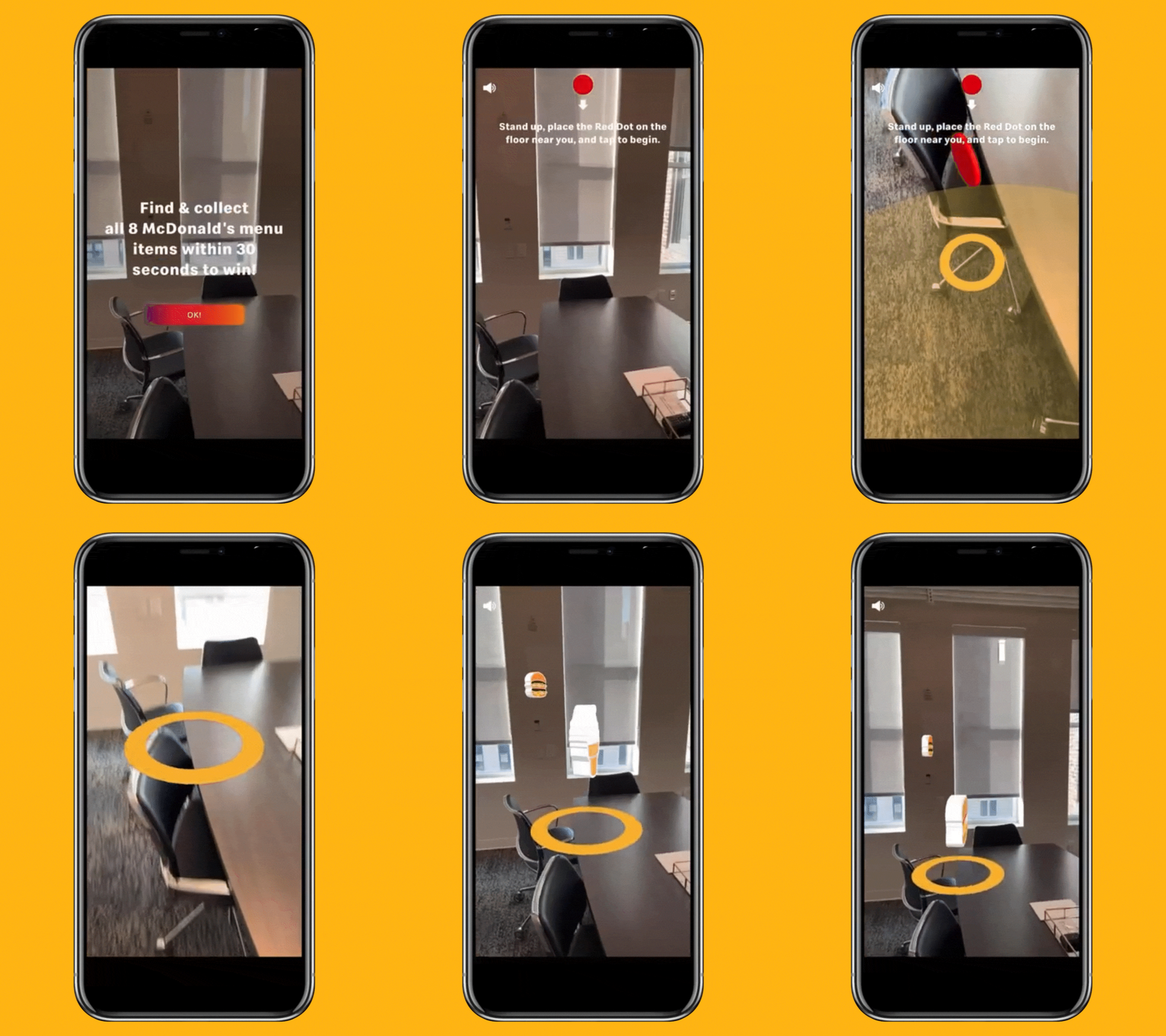
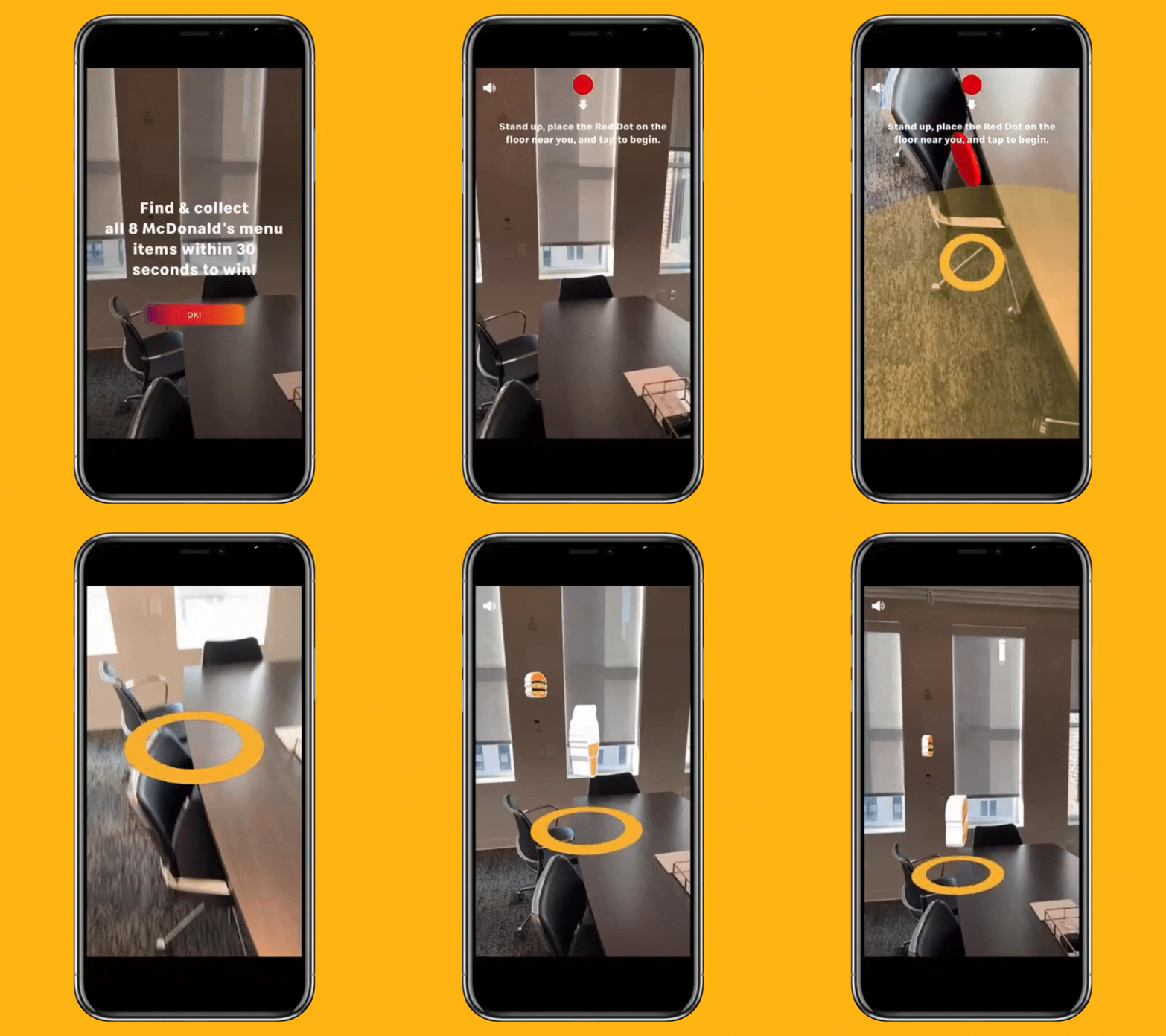
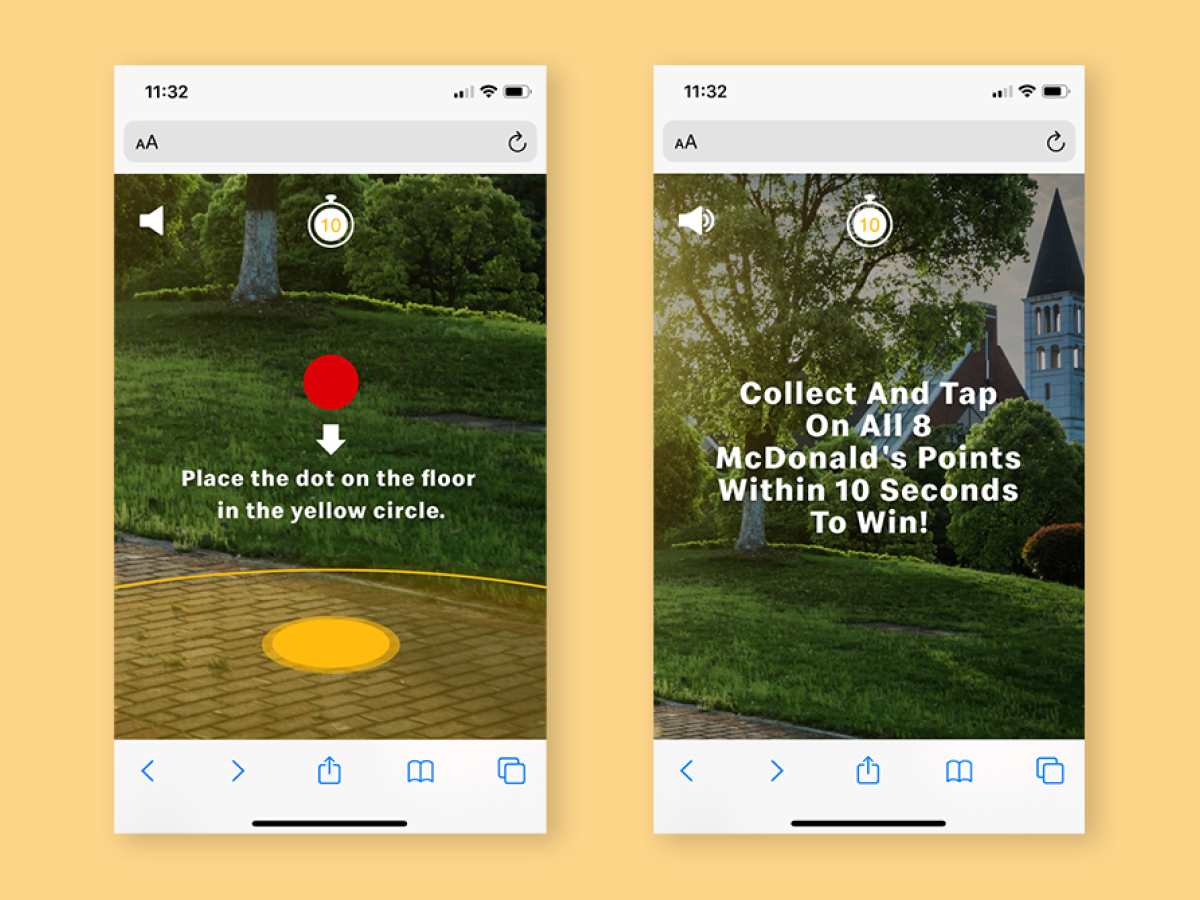
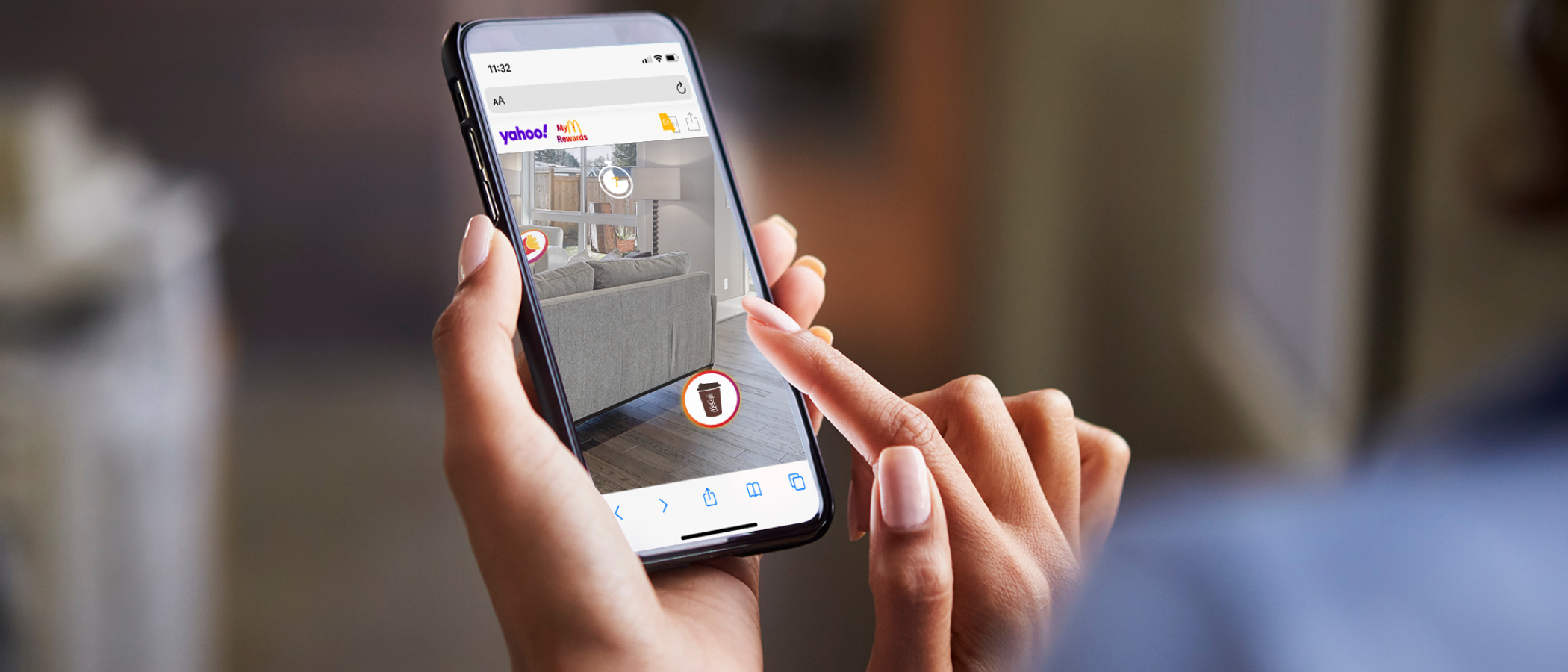
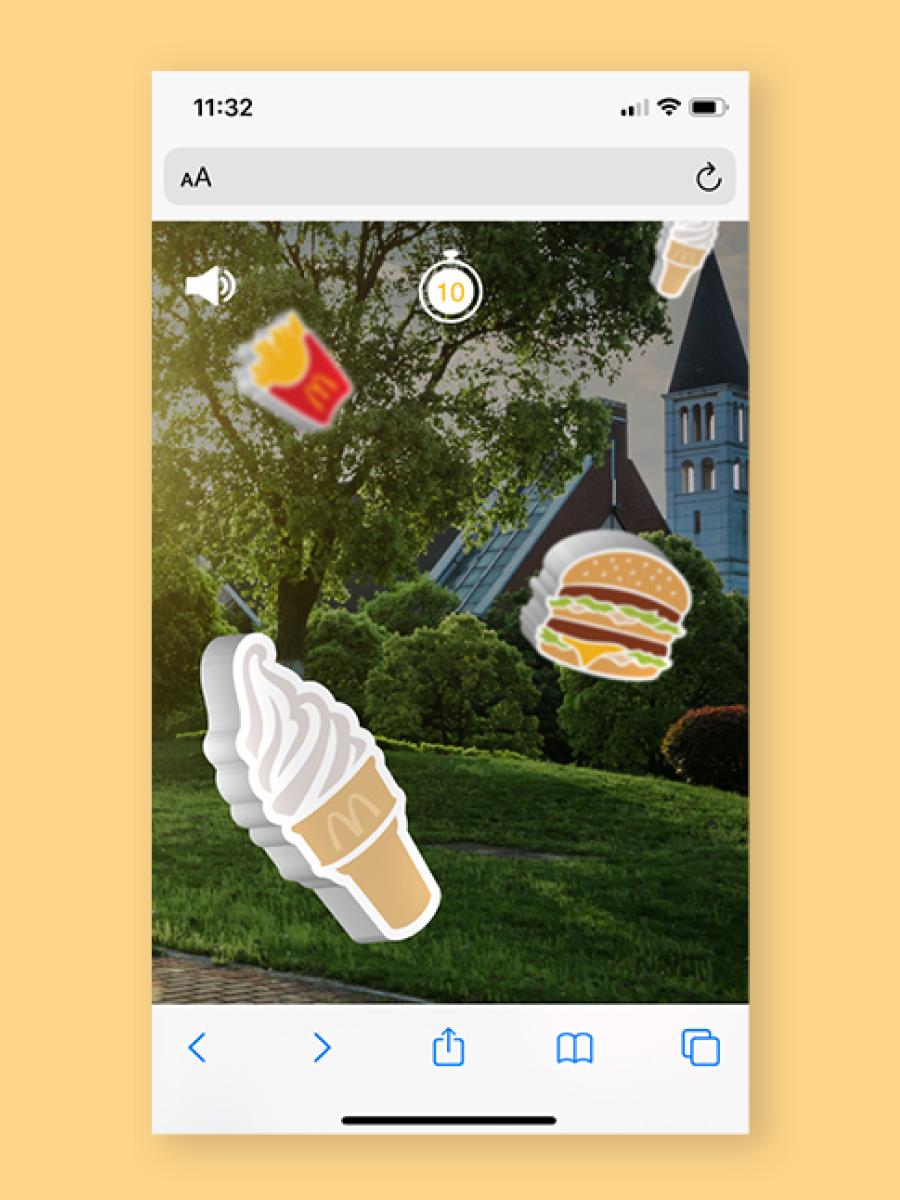
MyRewards menu items scatter in AR — reach and tap to collect before the countdown ends.
Urgency focuses attention; a short loop invites one-more-try and score sharing.
80K completions — the loop drove repeat engagement organically.
Score becomes reward
A download-our-app banner would break the emotional arc at its peak.
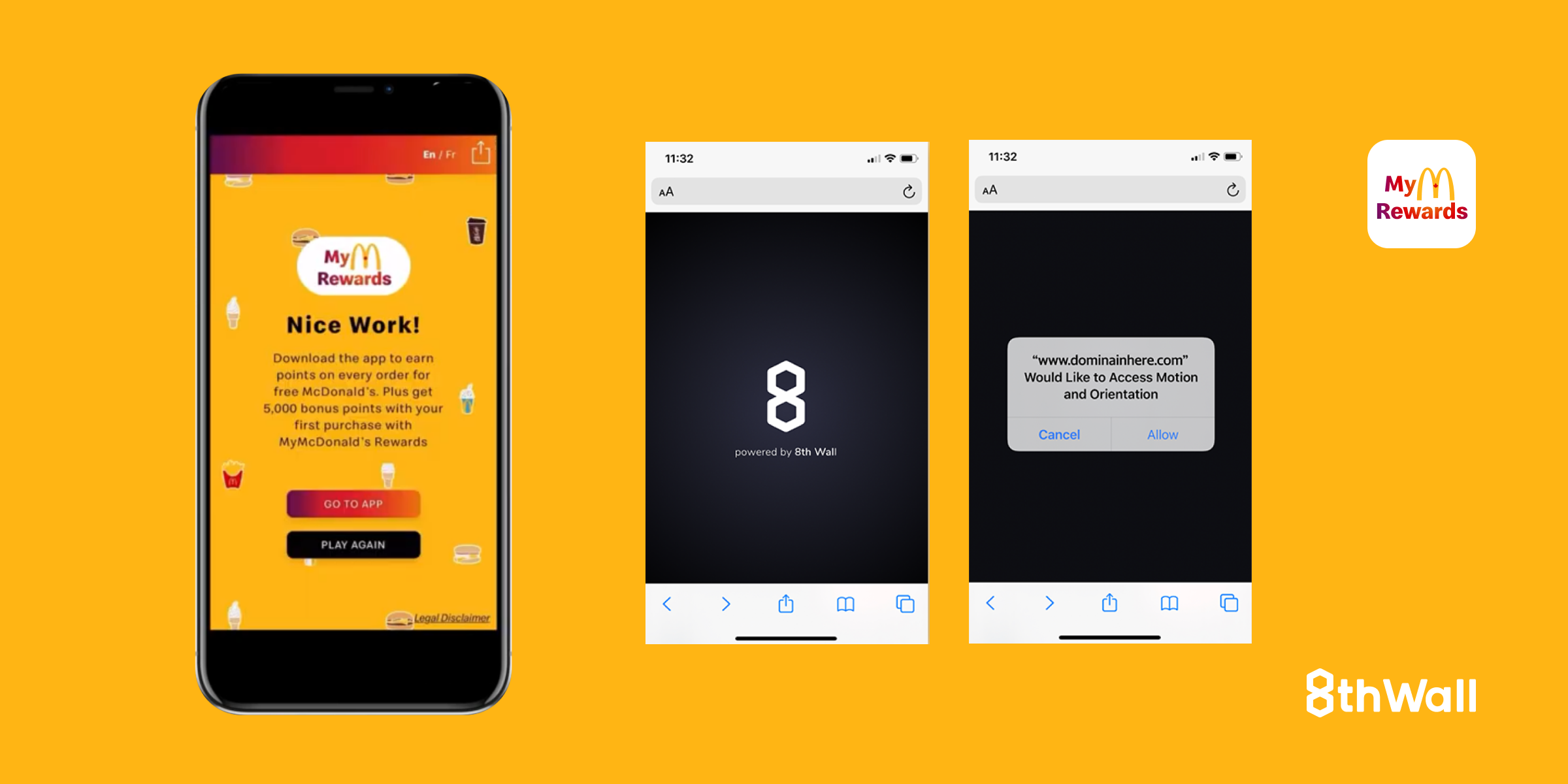
The game score converts into a MyRewards points preview — the CTA is a reward reveal.
Claiming what you earned converts better than answering a request.
The install became the natural next step of the game.
Language as a system
French strings run 20–30% longer and break fixed layouts.
Language-agnostic containers and one shared component architecture for both languages.
Bilingual parity is a layout constraint, not a translation task.
A full English/Canadian-French experience from one maintainable build.
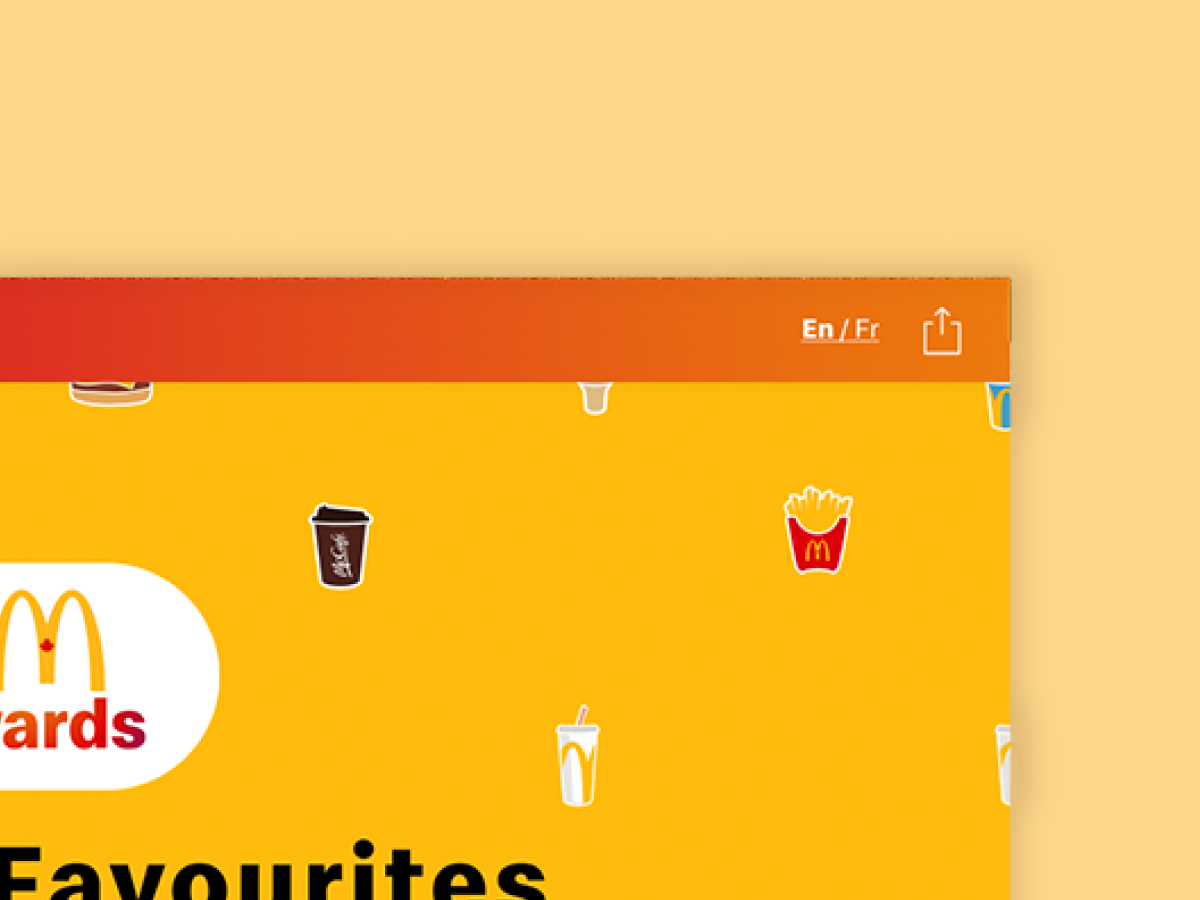
Physical play loop
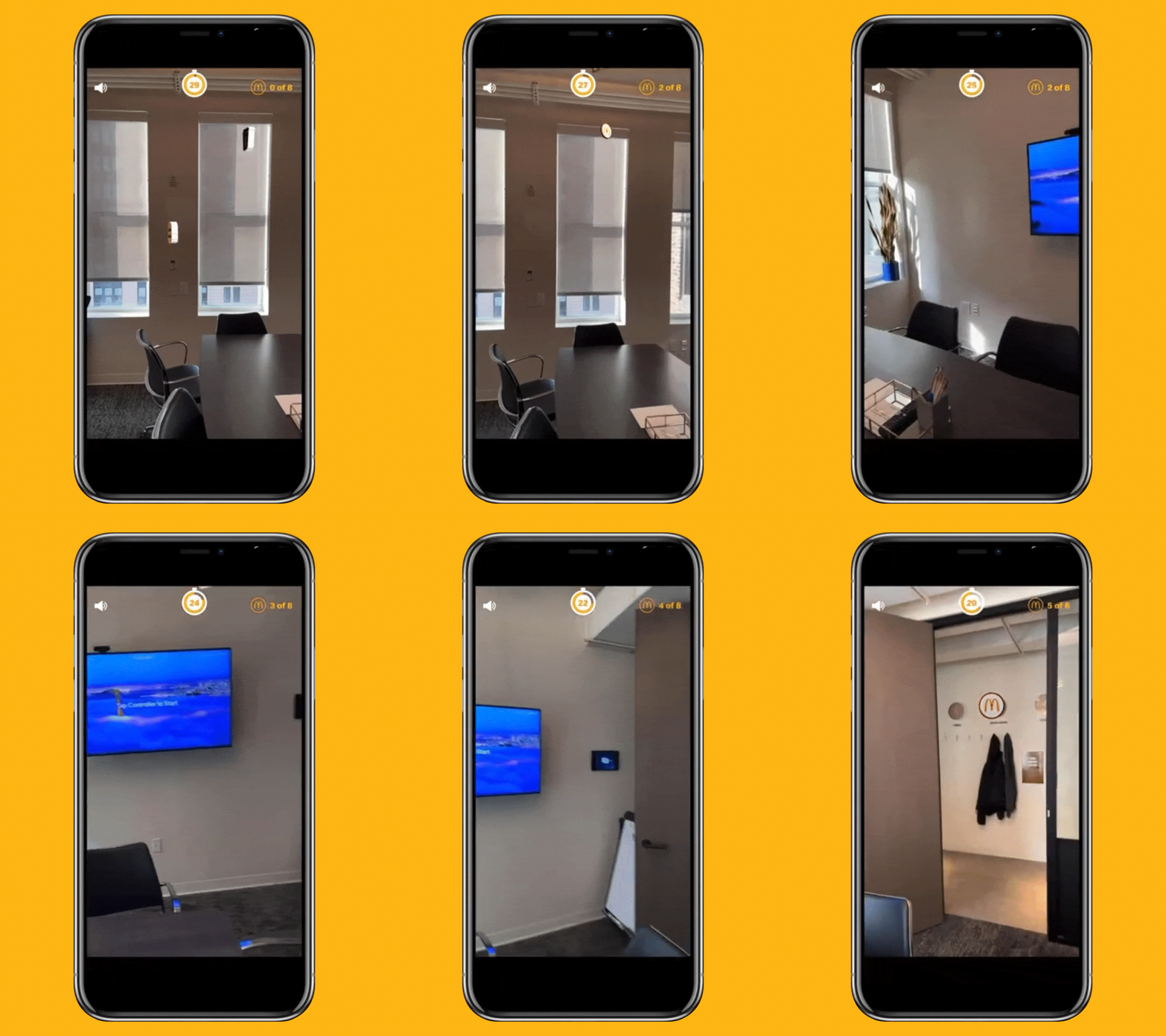
Reach-and-tap collection in your own space via SLAM world tracking.
Reward-reveal conversion
The download CTA disguised as earned points.
Cross-device entry
QR from print, digital, and social — with a desktop-to-phone handoff.
The trade-off — I gave the countdown's final seconds to the reward reveal instead of more play. It slightly lowered peak fun, but the conversion arc was the campaign's actual job.
What I'd improve — score sharing was manual. A native share card with localized copy would have amplified the organic loop further.
Next time — the most effective conversion campaigns hide the conversion — design the emotional arc first, then place the business moment inside it.