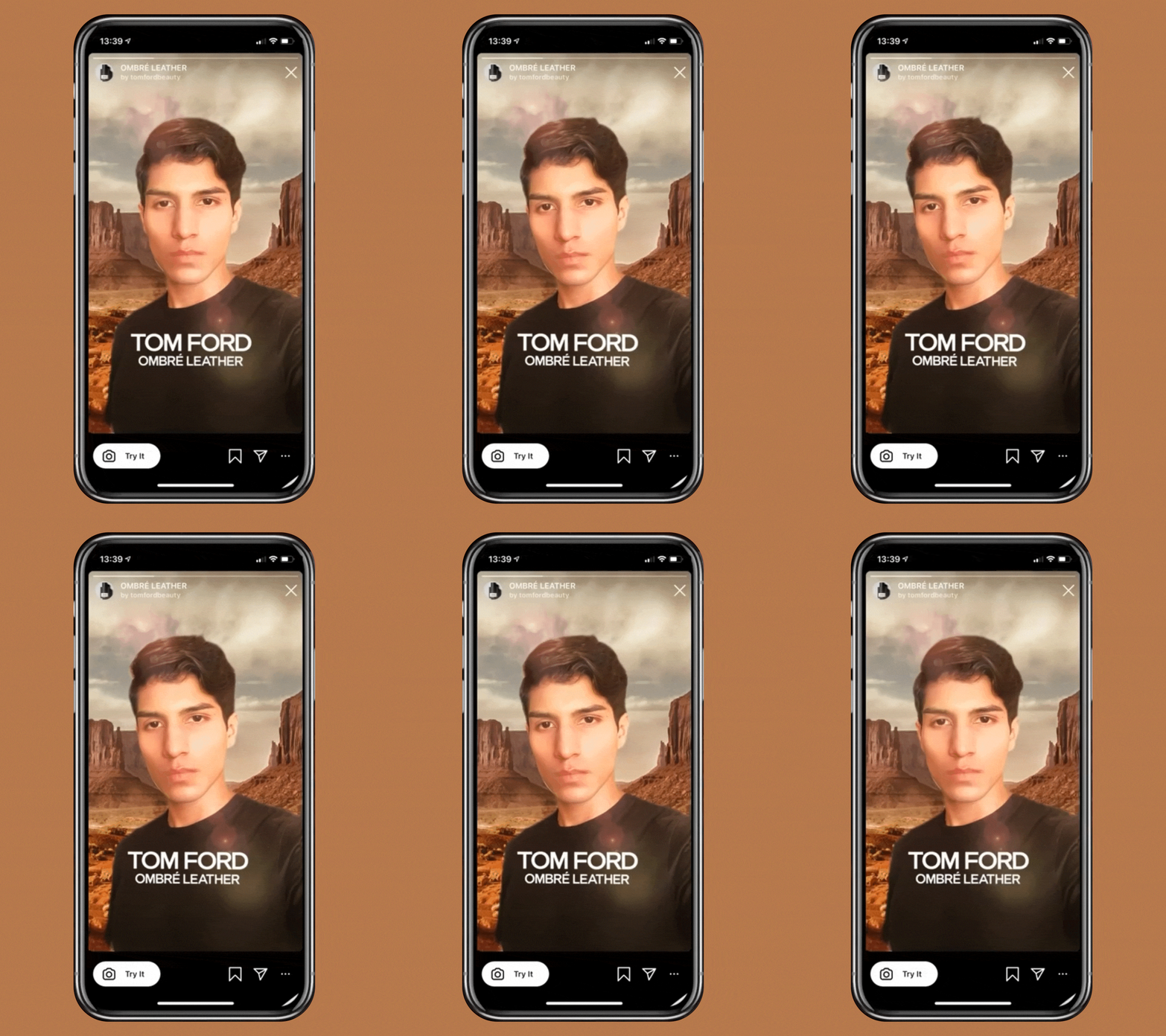
Tom Ford Ombré Leather — Luxury in a Face Filter
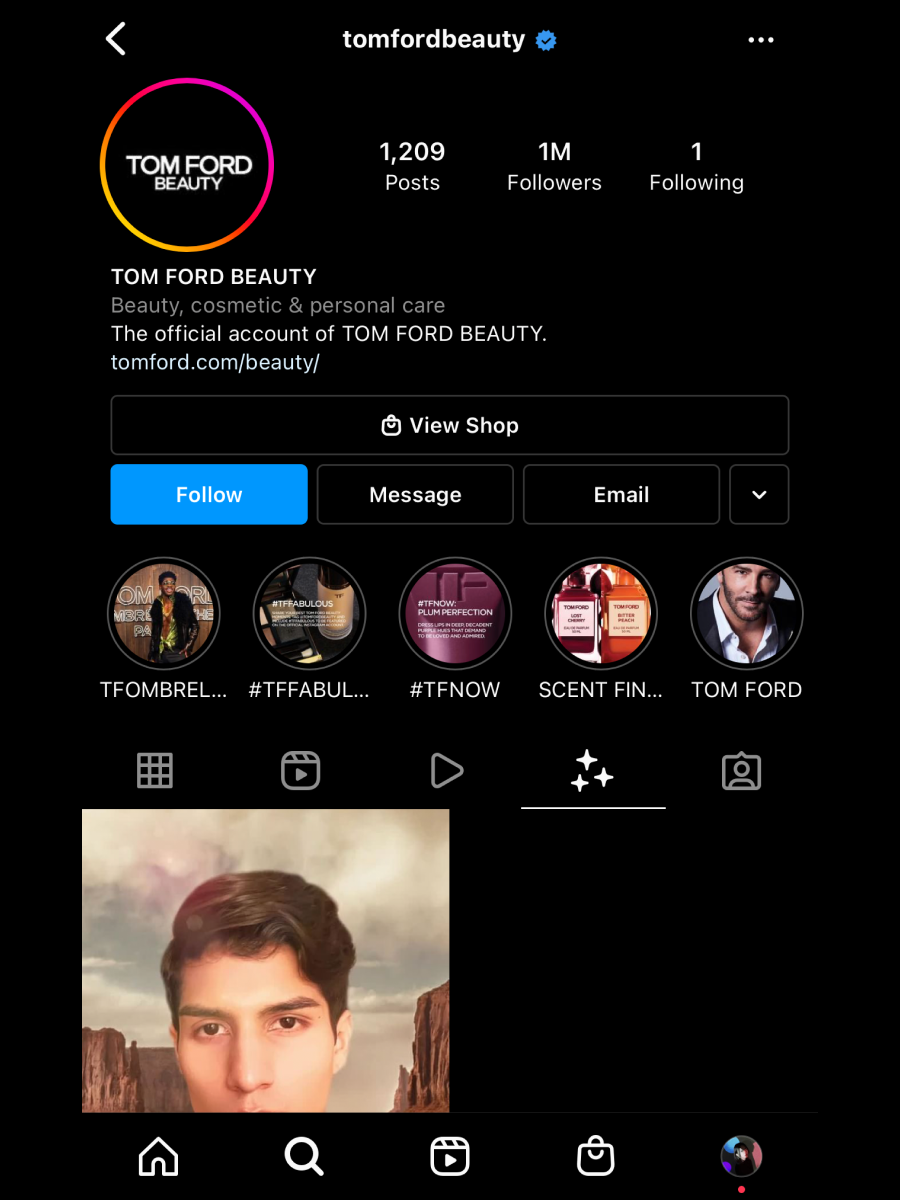
A Spark AR Instagram filter for Tom Ford Beauty — editorial-grade face tracking and segmentation serving a live event photo booth and the brand's global audience.



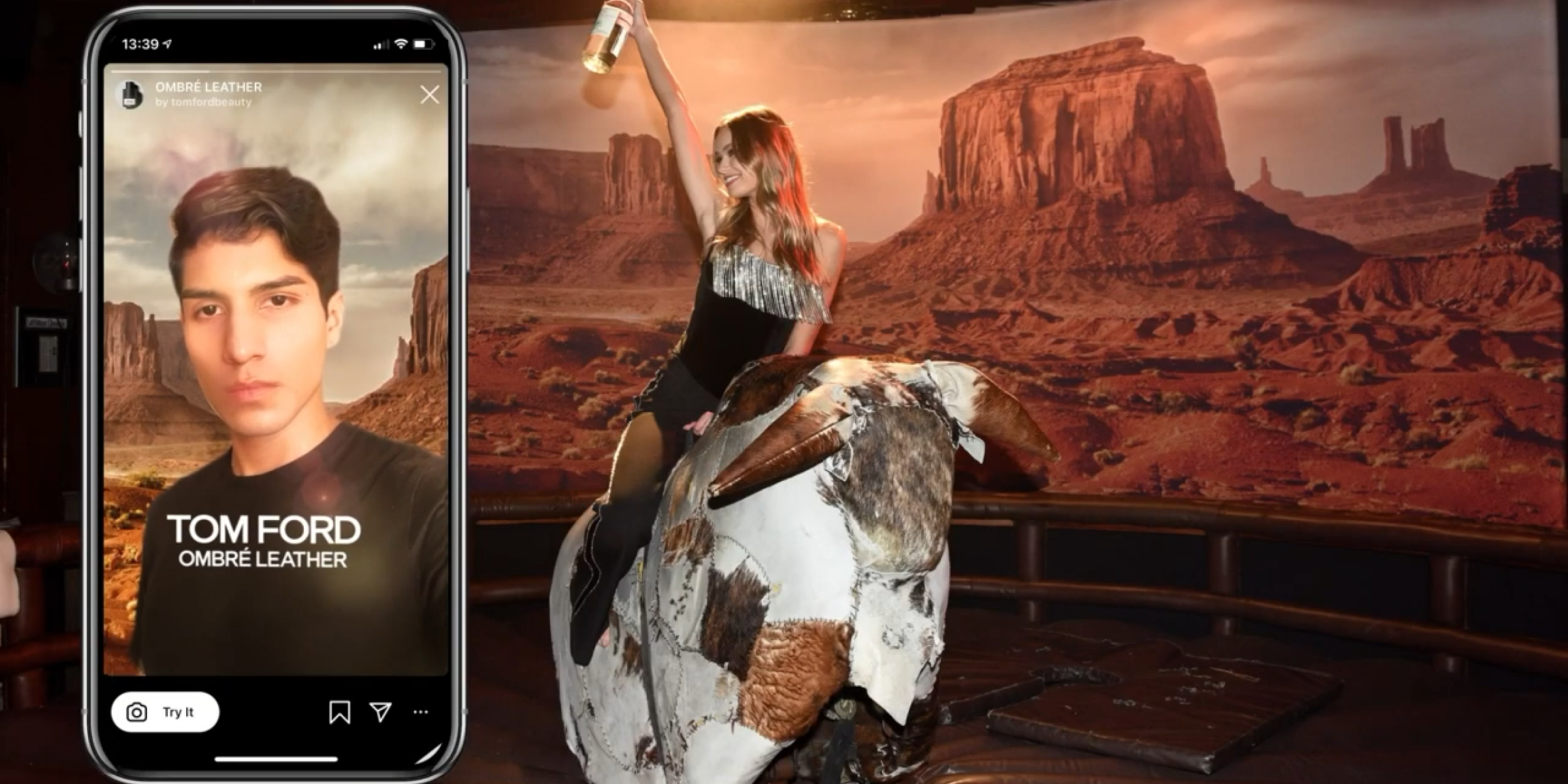
Luxury beauty standards, inside real-time face tracking.
Business
- One filter serving an event booth and Instagram
- Editorial quality worthy of the brand
User
- Flattering on diverse skin tones and face shapes
- Zero lag on mid-range phones
Technical
- Strict Spark AR asset budgets
- Person segmentation varies by device
The luxury gap
What the brand expects visually versus what real-time tracking can deliver.
Aggressive optimization
Every texture squeezed under Spark AR's asset ceiling.
Diverse faces
One mask that sits naturally on every skin tone and face shape.
Dual deployment
The same build powering a photo booth and a social filter.
I designed and built the filter — concept through Spark AR deployment.
Owned
- Visual Concept
- Spark AR Development
- Face Tracking & Segmentation
- Event Deployment
Collaborated with
- Creative Director
- Tom Ford Beauty (client)
Translating a fragrance into light.
Three directions, one hero
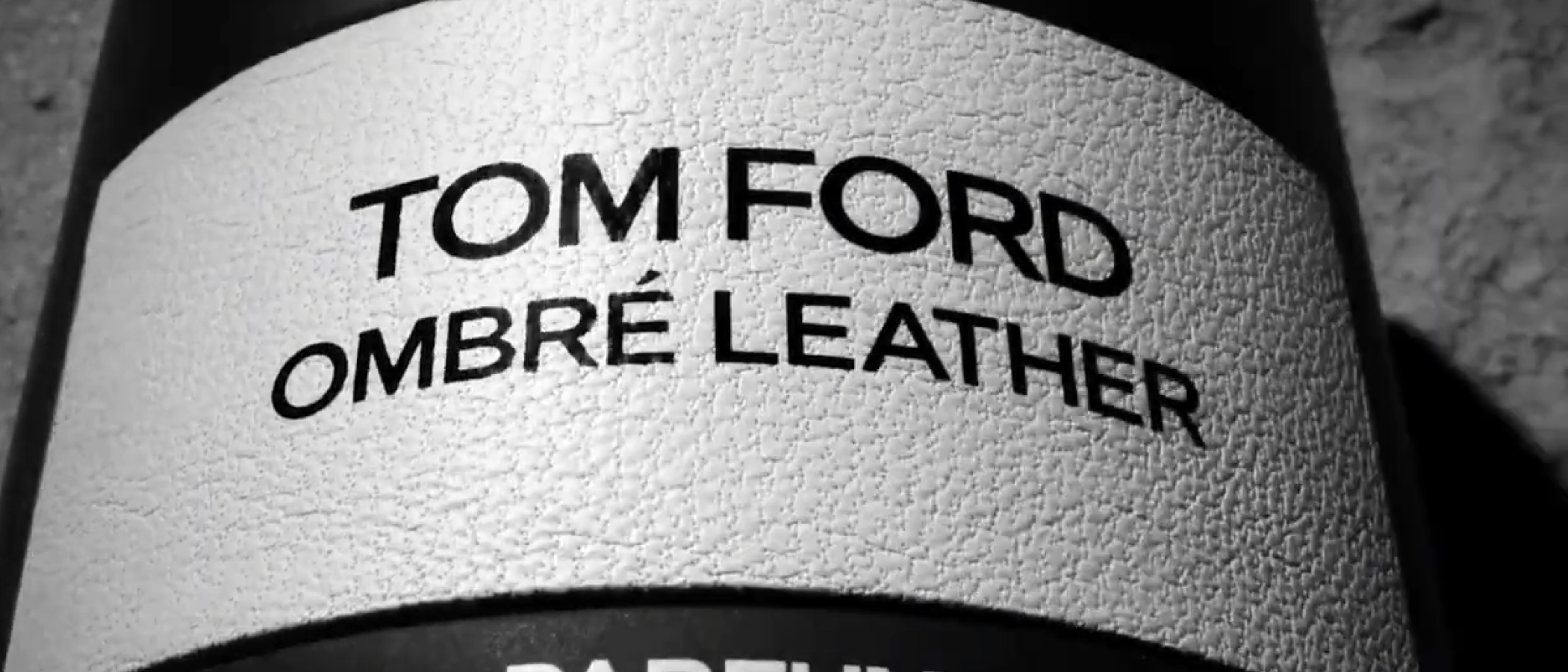
Ombré Leather is tactile — shadow, texture, smoke — not screen-native.
Pitched Smoke Veil, Leather Mask, and Golden Hour; shipped Leather Mask with Golden Hour's glow.
Structure carries the brand; warm radiance carries the fragrance's amber character.
A filter that reads as campaign imagery, not a gimmick.
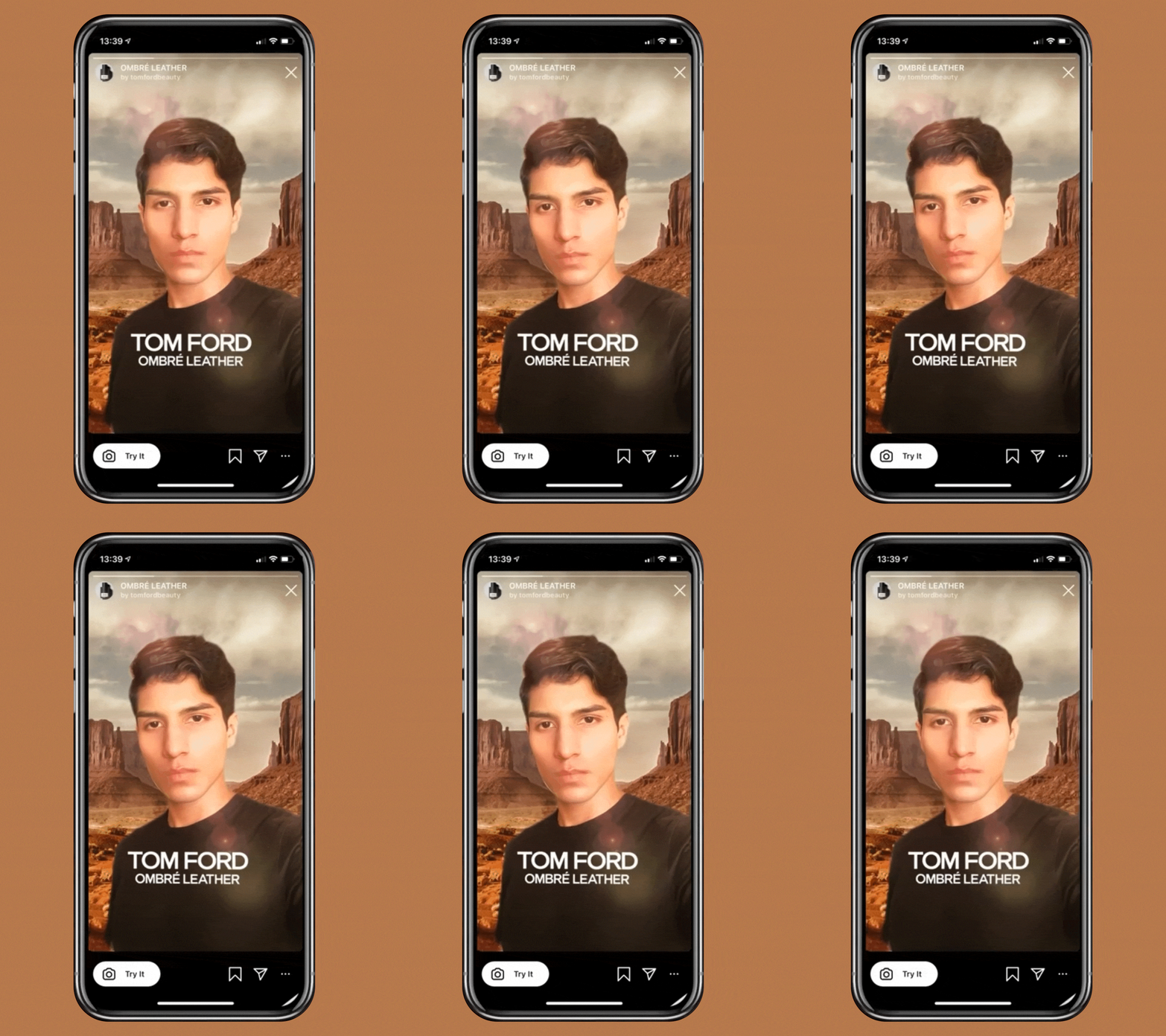
Optimize for the worst phone in the room
Luxury cannot lag — and event guests carry mid-range devices.
Texture budgets, segmentation fallbacks, and performance floors set before visual polish.
A dropped frame breaks the illusion faster than a smaller texture ever will.
Smooth tracking across iOS and Android at the live event.
One build, two stages
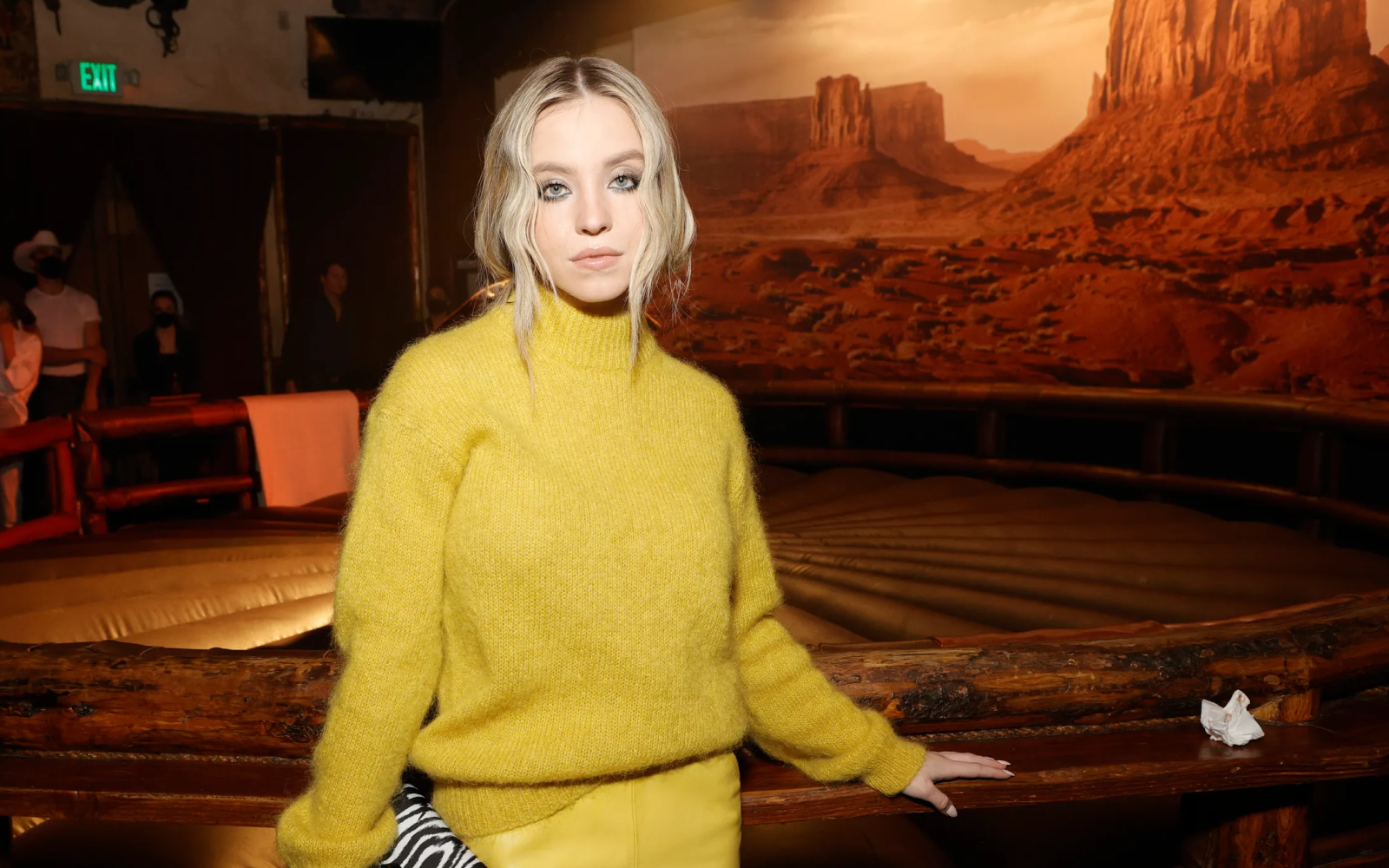
An event photo booth and Instagram distribution have different lighting, framing, and attention spans.
A single filter tuned for both contexts rather than two divergent builds.
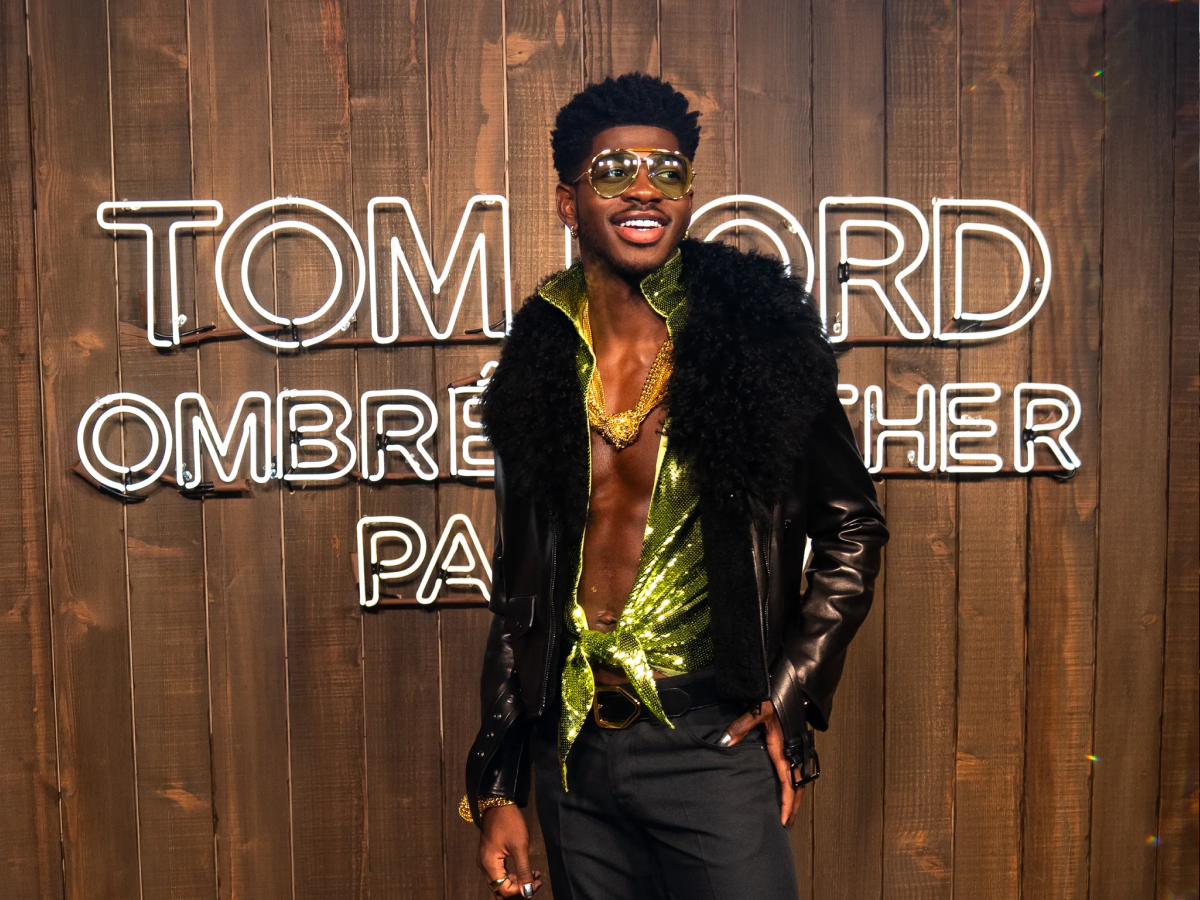
Press moments and social reach had to show the identical brand image.
Coverage in Vogue, WWD, and Flaunt from one asset.
Constraint matrix
Every brand requirement paired against Spark AR feasibility before creative lock.
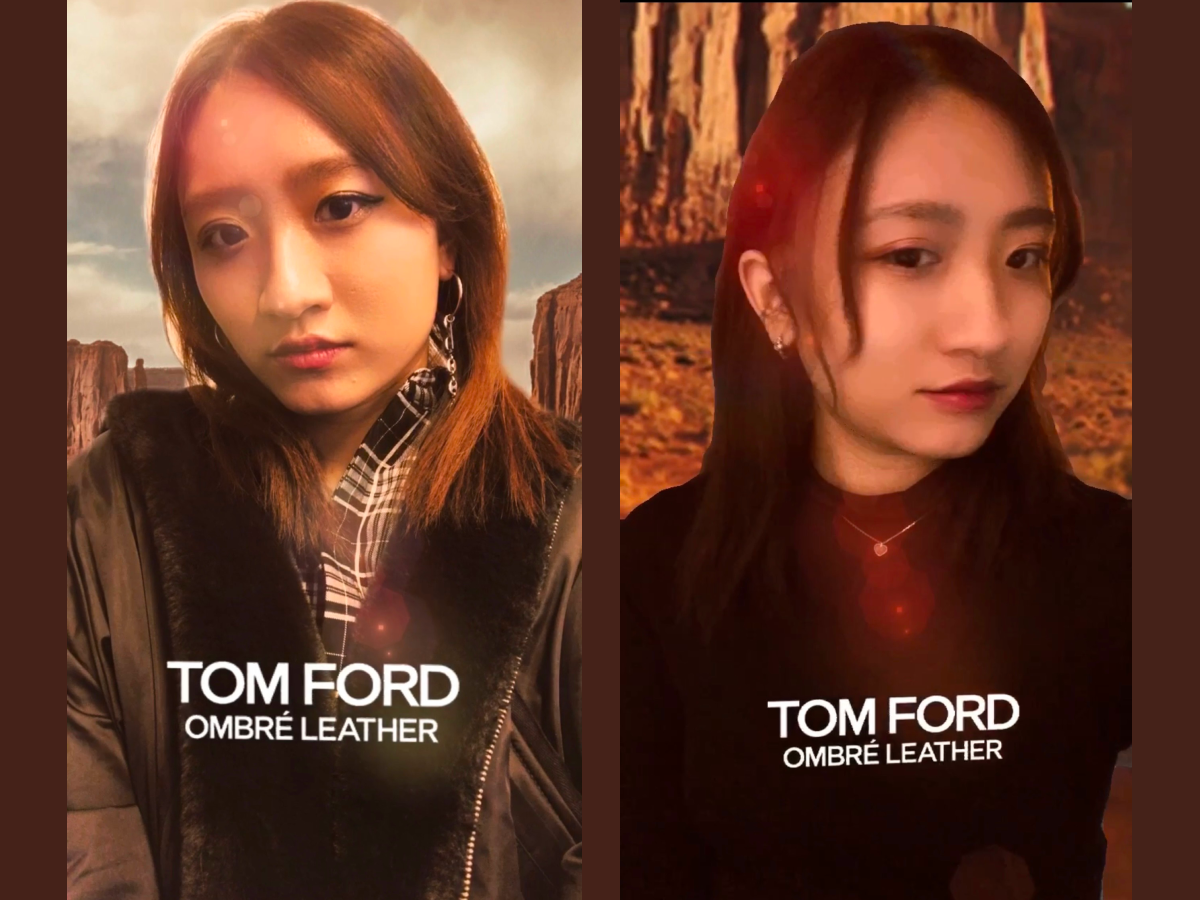
Editorial segmentation
Users lifted from their background into a designed theme environment.
Booth-to-feed pipeline
The same filter serving in-person guests and global audiences.
The trade-off — I locked performance budgets before visual exploration. It constrained the concepting space, but luxury AR that stutters is worse than none at all.
What I'd improve — the mask's fit at extreme face angles. More tracking-edge testing would have tightened the last five percent.
Next time — for brand AR, present concept directions against a feasibility matrix — clients choose confidently when beauty and constraints are shown together.